PayPal and Google See Crypto as Foundation for AI Agent Commerce
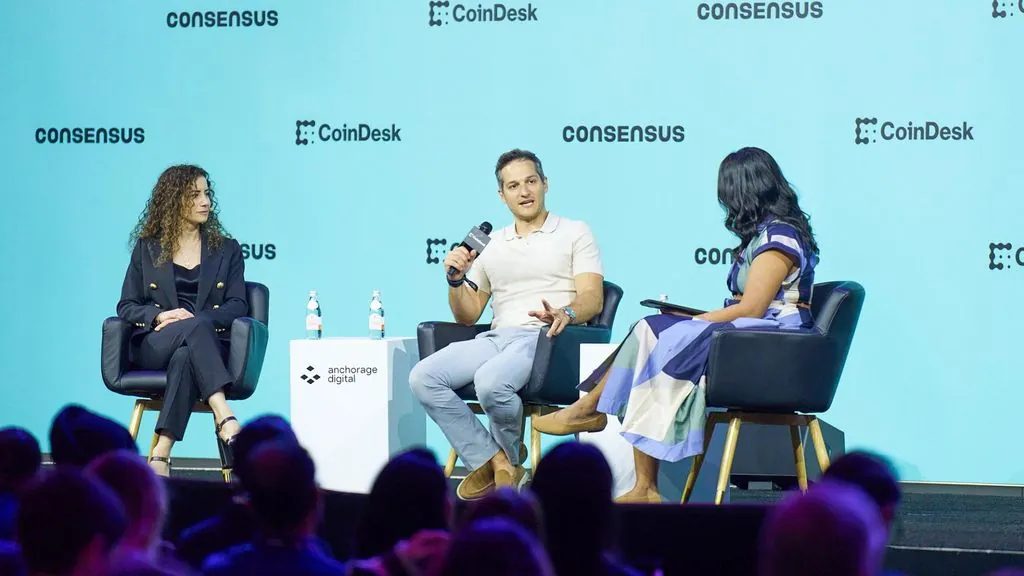
PayPal and Google Cloud executives told Consensus 2024 that autonomous AI agents conducting commerce will require open payment protocols, machine-readable merchant catalogs, and multi-party crypto custody infrastructure. Both firms described blockchain-based systems as essential to scaling agent-to-merchant transactions.
Written by CoinArticle’s AI Newsroom · from 1 cited source. How we work
What Executives Proposed
Senior representatives from PayPal and Google Cloud outlined technical requirements for autonomous AI agents to conduct commerce at scale during Consensus Miami. The pair identified three core infrastructure needs: open payment protocols that agents can parse, machine-readable merchant catalogs compatible with automated purchasing decisions, and multi-party crypto custody arrangements that distribute custody risk across independent operators.
Why Crypto Specifics Matter
Both executives framed these requirements as inherently suited to cryptocurrency settlement and custody models rather than traditional banking infrastructure. Open payment protocols on blockchain networks can be read and executed directly by agent code without intermediaries. Multi-party custody using cryptographic key schemes distributes counterparty risk in ways that custodial banking alone cannot replicate. Machine-readable catalogs and on-chain settlement together allow agents to transact without real-time human authorization loops.
Context in Broader Adoption Shift
The statements signal willingness from major technology and payments firms to position cryptocurrency as enabling infrastructure for emerging use cases rather than as a speculative asset class. Neither executive offered timelines or specific products under development, but the remarks indicate both organizations are exploring how blockchain payment rails could underpin the next wave of automation in commerce.
Why It Matters
For Traders
Institutional validation of crypto payment infrastructure may increase medium-term demand for stablecoins and payment protocol tokens, though no near-term product launch was announced.
For Investors
Top-tier tech and fintech incumbents exploring agentic commerce on crypto rails signals the space is moving from speculation toward infrastructure investment and enterprise adoption.
For Builders
Payment protocol teams and stablecoin projects should prioritize machine-readability and multi-sig custody APIs to align with expectations from major platform operators entering this space.
This article is for information only and is not financial advice. Read the full disclaimer.