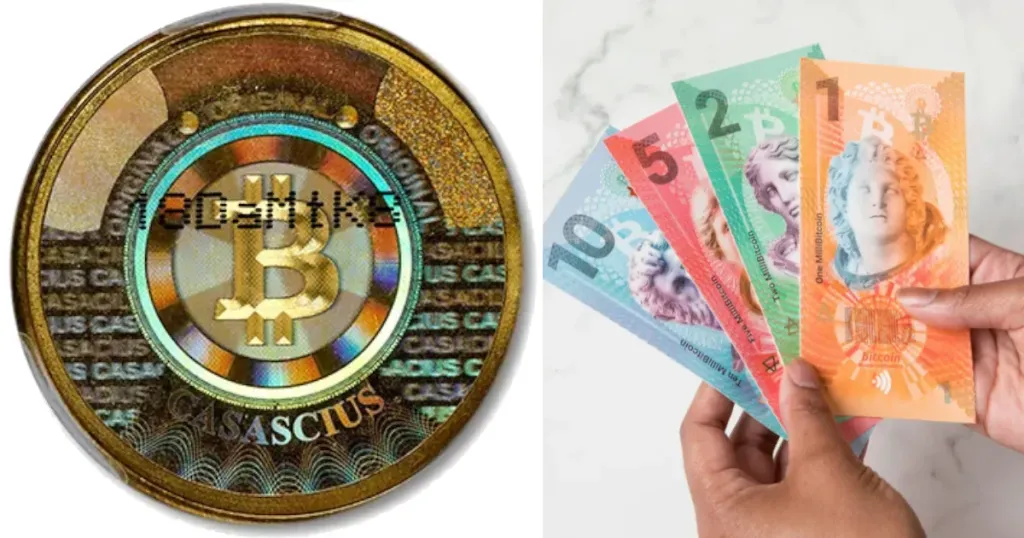
Physical Bitcoin Products Trace 10-Year Path From Novelty to Adoption
Bitcoin Magazine examines how developers have created tangible representations of Bitcoin—coins, cards, and USB devices—over the past decade, charting the evolution from collectible novelties toward more practical cash-like use cases. The piece traces technical and market developments that have shaped this niche but persistent category.
Written by CoinArticle’s AI Newsroom · from 1 cited source. How we work
A Decade of Tangible Forms
For over ten years, creators have sought to give Bitcoin physical form despite its nature as code. These efforts span commemorative coins, hardware wallets embedded in physical media, and card-based solutions designed to mimic the user experience of cash or credit. Bitcoin Magazine's historical survey documents how the category evolved from proof-of-concept curiosities into products aimed at genuine payment and custody workflows.
From Novelty to Practical Infrastructure
Early physical Bitcoin products served primarily as collectibles or educational tools, but later iterations focused on solving real custody and transaction problems. Hardware wallets in physical form allow offline key storage and signing, addressing a key security concern for holders. More recent card-based designs attempt to bridge the gap between Bitcoin's digital nature and the tactile, instantaneous settlement users associate with physical money.
Current Landscape and Remaining Gaps
Today's physical Bitcoin market remains niche relative to digital-only custody and exchange-based holdings. Barriers include manufacturing complexity, regulatory uncertainty around physical asset custody, and the lack of merchant infrastructure to accept these forms at scale. Whether physical Bitcoin becomes a meaningful payment medium or remains a specialized custody tool depends partly on how mainstream adoption of Bitcoin itself develops over the coming years.
Why It Matters
For Traders
Physical Bitcoin products remain a small, illiquid niche; they do not materially affect spot or derivatives pricing or trading behavior.
For Investors
Growing product diversity in Bitcoin custody and user experience signals expanding infrastructure maturity, though consumer adoption of physical forms remains marginal.
For Builders
Developers continue experimenting with hardware and card-based interfaces; understanding the decade of prior work informs where new custody or UX innovations might gain traction.
This article is for information only and is not financial advice. Read the full disclaimer.