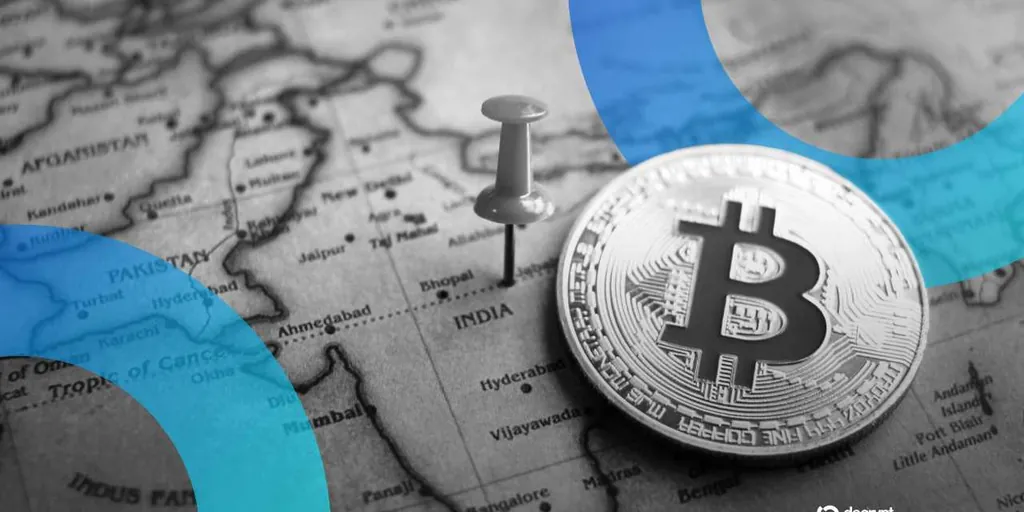
RBI Renews Push to Isolate Indian Banks From Crypto Activity
India's central bank is reviving efforts to prevent domestic lenders from providing services to cryptocurrency firms and users. The move reflects New Delhi's preference for central bank digital currencies over private stablecoins and could influence other central banks' regulatory posture.
Written by CoinArticle’s AI Newsroom · from 1 cited source. How we work
RBI's Renewed Stance
India's Reserve Bank has resumed its campaign to cut off banking relationships for cryptocurrency businesses and retail crypto participants, according to multiple reports. The central bank has historically discouraged commercial lenders from offering deposit, payment, or settlement services linked to crypto assets, and the latest push suggests that policy remains in force despite the global shift toward regulated digital asset markets.
Central Bank Digital Currency Priority
The RBI's stance reflects a preference for central bank digital currencies (CBDCs) over private stablecoins as the primary vehicle for digital payments. Officials have signaled that retail and institutional adoption of unregulated cryptocurrencies poses risks to monetary policy transmission and financial stability that CBDCs—which remain under central bank control—do not. This framing has gained traction among other major central banks, particularly those concerned about the unanchored growth of private stablecoins.
Why It Matters
For Traders
Tighter Indian banking restrictions may reduce rupee-denominated on-ramps and off-ramps for Indian traders, compressing local liquidity and potentially widening peer-to-peer exchange premiums.
For Investors
India's CBDC-first approach signals how large emerging markets may structure digital finance, potentially limiting stablecoin adoption in that region and redirecting users toward government-backed alternatives.
For Builders
Fintech and DeFi protocols targeting India will need to structure products around banking isolation; peer-to-peer settlement and non-custodial on-ramps become more critical infrastructure.
This article is for information only and is not financial advice. Read the full disclaimer.