Geopolitical Tensions Over Ukraine Could Disrupt Crypto Sanctions Evasion
A Russian drone strike on a Chinese vessel near Odessa has raised concerns about potential strain in Russia-China relations ahead of a Putin-Xi meeting. Analysts warn the incident could disrupt informal sanctions evasion networks that have relied on Russian-Chinese cooperation.
Written by CoinArticle’s AI Newsroom · from 1 cited source. How we work
The Incident and Its Timing
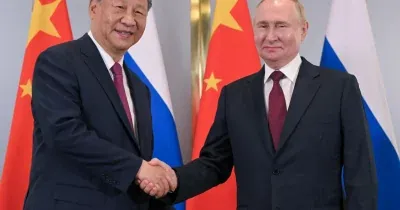
Russian forces struck a Chinese-flagged ship near the Ukrainian port of Odessa, occurring days before scheduled talks between Russian President Vladimir Putin and Chinese leader Xi Jinping. The strike marked an unusual point of friction between the two nations, which have coordinated closely on economic and diplomatic matters since Russia's invasion of Ukraine in 2022.
Potential Impact on Sanctions Networks
Crypto market participants have long relied on informal channels between Russia and China to circumvent Western sanctions. These networks have historically involved financial routing through third parties and use of stablecoins for cross-border payments. Any deterioration in Russia-China coordination could disrupt those pathways, forcing sanctions-affected entities to seek alternative methods or face increased transaction friction.
Regulatory Scrutiny Ahead
U.S. and European regulators have intensified focus on crypto-enabled sanctions evasion over the past 18 months, with major exchanges facing compliance orders and OFAC designating addresses tied to Russian activity. A visible fracture between Moscow and Beijing could prompt regulators to increase monitoring of stablecoin flows and peer-to-peer trading patterns historically used to move value across borders.
Why It Matters
For Traders
If Russia-China friction deepens, expect increased volatility in stablecoin spreads and potential liquidity shifts on peer-to-peer platforms used for sanctions evasion.
For Investors
Geopolitical fractures between major state actors could reshape informal financial networks, increasing regulatory pressure on crypto as a sanctions-evasion tool.
For Builders
Compliance teams should monitor Russia-China diplomatic developments; a cooling relationship may trigger new OFAC guidance or exchange policy tightening around geographic routing.
This article is for information only and is not financial advice. Read the full disclaimer.