SEC Approves Nasdaq Bitcoin Index Options; CFTC Clearance Still Needed
The SEC has approved Nasdaq's application to list Bitcoin index options, but trading cannot begin until the CFTC grants its own exemptive relief. Bitcoin's commodity classification places it under dual regulatory oversight, delaying contract launch.
Written by CoinArticle’s AI Newsroom · from 1 cited source. How we work
SEC Approval Does Not Trigger Immediate Trading
The SEC has approved Nasdaq's plan to list Bitcoin index options, but the contracts cannot trade yet. The CFTC must grant separate exemptive relief before any positions can open on the exchange, because the federal regulator classifies Bitcoin as a commodity falling under its jurisdiction.
Dual-Regulator Path
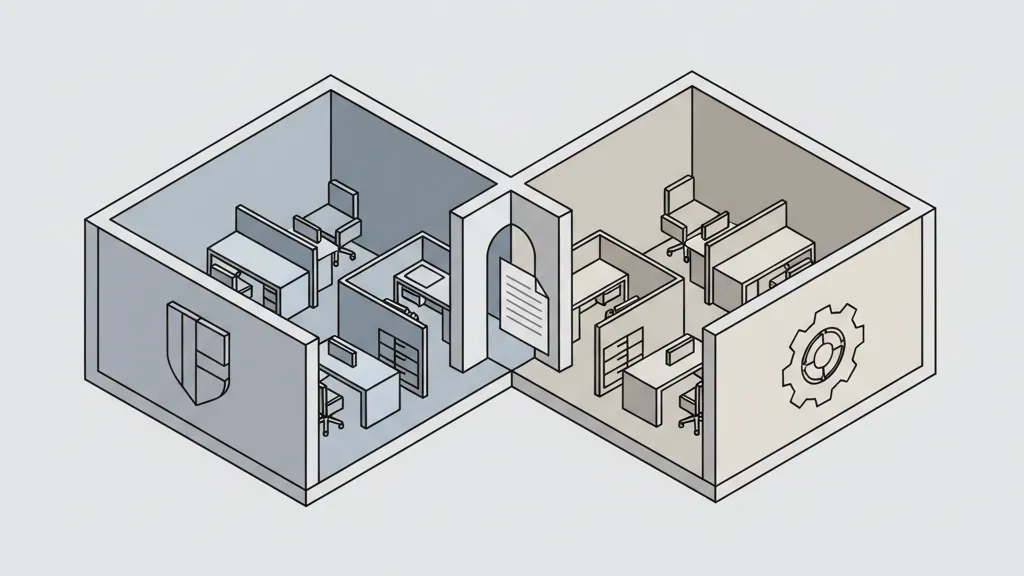
The approval marks the first step in a two-part regulatory process. Options on commodities require clearance from both the SEC (which oversees securities exchanges) and the CFTC (which oversees derivatives). Nasdaq must now petition the CFTC for the exemptive relief needed to proceed to launch.
Why It Matters
For Traders
Bitcoin index options on Nasdaq remain unavailable pending CFTC approval; check the regulator's exemptive relief calendar for a realistic launch window.
For Investors
SEC approval signals receptivity to Bitcoin derivatives infrastructure, but dual-regulator requirements add delay and regulatory friction to product rollouts.
For Builders
Crypto trading venues now face confirmed dual-jurisdiction oversight; protocol teams should anticipate similar multi-regulator clearance timelines for derivative products.
This article is for information only and is not financial advice. Read the full disclaimer.