Geopolitical Tensions in Strait of Hormuz Create Oil Supply Uncertainty
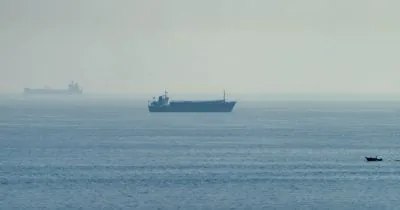
The world's largest tanker operator warned that transit through the Strait of Hormuz will take weeks to resume following recent tensions, creating supply chain uncertainty. The delay signals potential disruption to global energy markets and could influence macroeconomic conditions affecting crypto assets.
Written by CoinArticle’s AI Newsroom · from 1 cited source. How we work
Why the Delay Matters
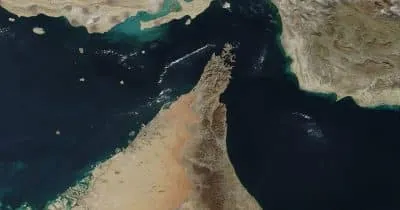
The Strait of Hormuz is a critical chokepoint through which roughly one-third of global seaborne oil passes. A prolonged disruption to transit operations affects fuel prices, shipping costs, and broader inflation dynamics—all of which influence central bank policy and, by extension, asset valuations across traditional and digital markets. The largest tanker operator's warning signals that safety concerns and geopolitical agreements remain unresolved.
The Macro Context for Crypto
Rising oil prices and supply shocks typically correlate with higher inflation expectations and more hawkish monetary policy. This environment has historically pressured risk assets, including cryptocurrencies. Traders and investors track energy market disruptions as a leading indicator of macroeconomic stress. A prolonged Hormuz closure would likely drive oil volatility in the coming weeks, with potential spillover effects into equity and crypto markets.
Why It Matters
For Traders
Expect elevated macro volatility over the next 2-4 weeks as oil prices respond to Hormuz delays; energy sector moves often precede risk-asset repricing.
For Investors
Prolonged supply shocks drive inflation expectations higher, increasing the odds of extended high interest rates that weigh on risk-on allocations.
For Builders
Infrastructure projects relying on stable fuel costs or traditional finance assumptions should stress-test timelines against elevated energy price scenarios.
This article is for information only and is not financial advice. Read the full disclaimer.