API Opposes Hormuz Tolls Plan; Energy Trade Disruption Concerns Cited
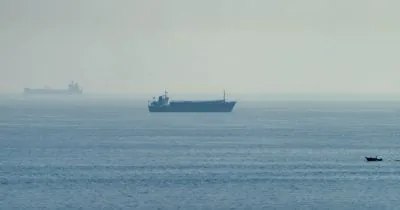
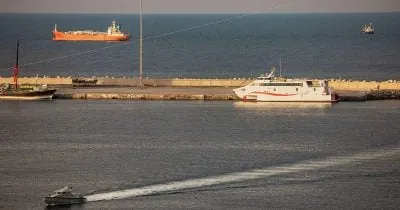
The American Petroleum Institute opposed a proposal to impose tolls on vessels transiting the Strait of Hormuz, citing threats to free passage and global energy markets. The stance reflects broader geopolitical tensions over maritime commerce in one of the world's most critical shipping corridors.
Written by CoinArticle’s AI Newsroom · from 1 cited source. How we work
API's Position on Proposed Tolls
The American Petroleum Institute issued a formal opposition to a Gulf proposal to impose tolls on ships passing through the Strait of Hormuz, according to reporting from Crypto Briefing. The API argued that such tolls would disrupt established maritime norms and violate the principle of free passage through international waters.
Implications for Energy Trade
Approximately 21% of global petroleum passes through the Strait of Hormuz annually, making it one of the world's most critical chokepoints for energy commerce. Any toll regime would ripple across global oil markets and raise shipping costs for producers and refiners worldwide. The API's opposition underscores broader geopolitical tensions affecting how maritime trade routes are governed and who bears responsibility for their maintenance and security.
Broader Context
The proposal emerges amid heightened regional tensions and competing claims over international waters in the Persian Gulf. Whether the tolls would be levied unilaterally by Iran or through some multilateral arrangement remains unclear from available reporting. The outcome could set precedent for how other nations view their rights to regulate transit through contested waterways.
Why It Matters
For Traders
Tolls on Hormuz transit could increase oil input costs, potentially supporting crude prices and affecting energy-linked assets like petroleum-backed stablecoins.
For Investors
Energy price stability underpins many blockchain projects and stablecoins; disruption to oil markets creates volatility that can cascade through crypto markets.
For Builders
Infrastructure projects tied to oil futures, energy commodities, or cross-border settlement would face new cost variables if transit tolls are implemented.
This article is for information only and is not financial advice. Read the full disclaimer.