Tesla's Full Self-Driving Launch in China Heightens EV Competition
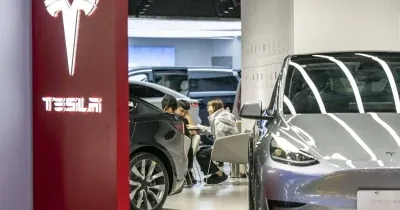
Tesla began offering its Full Self-Driving capability in China, entering a market where local EV makers including BYD and NIO have gained ground. The move signals Tesla's effort to defend its market position through technology differentiation rather than price competition.
Written by CoinArticle’s AI Newsroom · from 1 cited source. How we work
Tesla's China Market Move
Tesla introduced Full Self-Driving (FSD) availability to Chinese customers, marking the company's latest effort to compete in a market where domestic electric vehicle manufacturers have captured significant share over the past two years. The rollout comes as BYD, NIO, and other local competitors have expanded their model lineups and reduced prices, pressuring Tesla's previously dominant position.
Competitive Landscape in China
China's EV market has shifted dramatically since 2021. Local makers now account for the majority of new EV sales, with BYD alone delivering more vehicles than Tesla globally in recent quarters. Price competition has intensified, with several Chinese brands offering comparable features at lower price points than Tesla's offerings in the region. Tesla's FSD launch targets a specific segment of buyers willing to pay for autonomous driving capability as a differentiator.
Strategic Implications
Tesla's decision to prioritize FSD in China reflects a shift from competing on price to competing on software and autonomy. The company faces regulatory scrutiny around autonomous driving claims in other markets, but China's regulatory environment has allowed faster deployment. Success or failure of FSD adoption among Chinese buyers may influence Tesla's strategy globally and signal whether autonomous driving capability commands a price premium in price-sensitive markets.
Why It Matters
For Traders
Tesla's China strategy shift emphasizes software over price; watch margin trends and quarterly delivery guidance for signs the strategy is working or losing ground.
For Investors
Local EV makers' dominance in unit sales is not threatened by FSD, but Tesla's pivot to software monetization may indicate mature hardware margins and shift investor expectations toward services revenue.
For Builders
Autonomous driving stack developers should monitor China's regulatory posture on self-driving claims and local adoption rates to assess market opportunity versus North American and European paths.
This article is for information only and is not financial advice. Read the full disclaimer.