Glassnode: 1.92M Bitcoin Exposed to Quantum Computing Risk
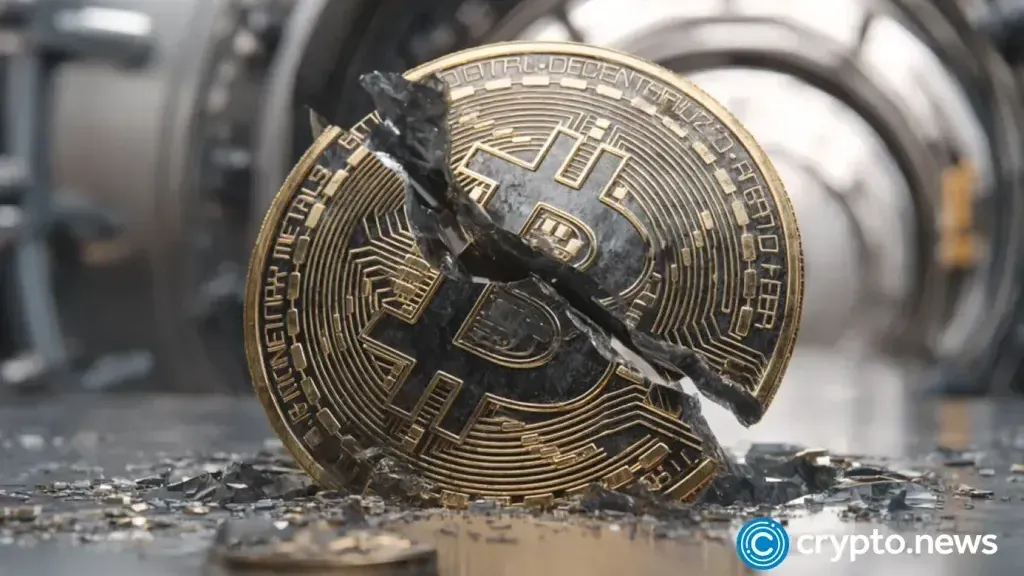
Blockchain analytics firm Glassnode classified 1.92 million BTC, or 9.6% of total supply, as vulnerable to quantum computing attacks in a May 20 report. The figure represents coins held in addresses using older cryptographic standards that could theoretically be compromised if large-scale quantum computers become available.
Written by CoinArticle’s AI Newsroom · from 1 cited source. How we work
Quantum Vulnerability Classification
Glassnode identified 1.92 million BTC as structurally exposed to quantum computing risk, according to its May 20 analysis. The classification covers coins stored in addresses that reuse public keys or rely on older elliptic curve cryptography standards, which could theoretically be vulnerable if sufficiently powerful quantum computers become operational. The at-risk amount represents 9.6% of Bitcoin's current 20 million BTC circulating supply.
What Makes These Coins Vulnerable
Quantum computers exploit weaknesses in the mathematical problems that underpin modern public-key cryptography. Bitcoin addresses that have publicly exposed their keys—typically through reused addresses or one-time transaction broadcasts—could theoretically be compromised by a quantum adversary capable of solving the discrete logarithm problem. Most modern Bitcoin activity uses address formats that obscure the public key until the first spend, mitigating exposure. However, older coins held in addresses that broke this pattern remain at theoretical risk.
Why It Matters
For Traders
The quantum risk is theoretical and not an immediate threat to trading positions; no functional quantum computer capable of breaking ECDSA currently exists.
For Investors
Long-term holders may want to audit whether their stored coins use public-key-reusing addresses and consider migration to modern formats as a precaution.
For Builders
Protocol teams should ensure new wallets and exchanges use address formats that keep public keys private until first spend, and monitor quantum computing development for timeline signals.
This article is for information only and is not financial advice. Read the full disclaimer.