Chainalysis: Italian Authorities Trace $1.1M Tax Evasion Using Bitcoin Ordinals
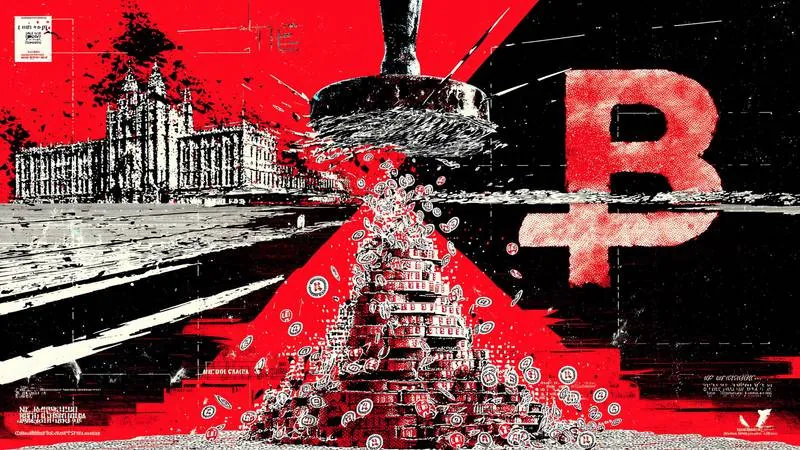
Chainalysis reported that Italian tax authorities successfully traced a €1.1 million tax evasion case involving Bitcoin Ordinals and BRC-20 tokens. The case demonstrates that blockchain analysis tools can follow assets across newer Bitcoin layers despite their use in attempted evasion schemes.
Written by CoinArticle’s AI Newsroom · from 1 cited source. How we work
The Case
Italian authorities, with assistance from Chainalysis's forensic tools, traced approximately €1.1 million in evaded taxes through transactions involving Bitcoin Ordinals and BRC-20 tokens, according to a Chainalysis report. The investigation shows that despite their relative opacity compared to traditional cryptocurrency transfers, assets inscribed on Bitcoin's base layer leave recoverable on-chain records that forensic analysts can follow.
Implications for On-Chain Privacy
The case underscores a core limitation of Ordinals as a tax evasion vector: they still settle on Bitcoin's public ledger and inherit its immutability. While Ordinals and BRC-20 tokens introduce additional complexity for forensic analysis—inscribed data is harder to parse than standard UTXO transfers—the underlying transaction graph remains traceable. Chainalysis's ability to reconstruct the flow suggests that bad actors cannot treat Bitcoin's newest layer as a privacy upgrade.
Regulatory Signal
The enforcement action signals that tax authorities are expanding their blockchain investigation capabilities beyond Ethereum and layer-2 networks into newer Bitcoin infrastructure. As Ordinals adoption grows, tax and financial crime agencies appear positioned to monitor these transactions at scale.
Why It Matters
For Traders
Ordinals and BRC-20 tokens offer no meaningful tax or regulatory evasion advantage; law enforcement has already demonstrated traceability at scale.
For Investors
Regulatory agencies are rapidly building Bitcoin layer-1 forensics capacity, increasing compliance friction for any on-chain activity touching suspected bad actors.
For Builders
Projects issuing tokens or assets on Bitcoin should assume full transaction transparency to regulators; privacy tooling at the application layer will become table stakes.
This article is for information only and is not financial advice. Read the full disclaimer.