Trump Iran Blockade Extension Escalates Tensions, Impacts Crypto Markets
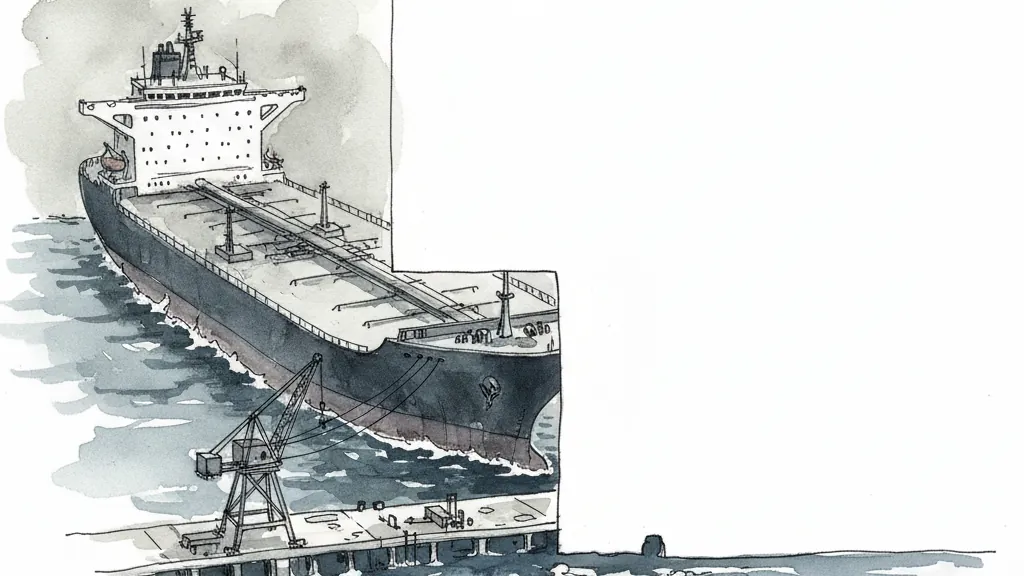
The Trump administration has extended sanctions and strengthened its blockade against Iran, significantly escalating U.S.-Iran relations and triggering volatility across global markets. The measures target Iran's financial infrastructure and oil exports, creating ripple effects for energy traders, investors, and blockchain enterprises navigating heightened regulatory complexity.
Written by CoinArticle’s AI Newsroom · from 1 cited source. How we work
Trump Orders Extended Iran Blockade, Escalating Diplomatic Tensions
Economic Sanctions Intensify
The Trump administration has announced an extension of existing sanctions and a strengthened blockade against Iran, marking a significant escalation in U.S.-Iran relations. The extended measures target Iran's financial infrastructure, oil exports, and critical economic sectors. Officials stated that the blockade aims to pressure Iran's government into compliance with international agreements and behavioral modifications regarding regional activities.
This expansion of sanctions represents one of the most comprehensive measures undertaken in recent years, affecting not only Iranian entities but also third-party nations and organizations conducting business with Iran. Financial institutions worldwide face increased compliance burdens as they navigate complex regulatory landscapes surrounding Iran-related transactions.
Regional Market Volatility and Energy Sector Impact
The blockade extension has triggered immediate ripple effects across Middle Eastern markets and global financial systems. Regional stock exchanges have experienced significant volatility as investors reassess geopolitical risk premiums, while crude oil prices have adjusted in response to supply concerns and potential disruptions to global petroleum markets.
Financial analysts indicate that extended sanctions create uncertainty for multinational corporations operating in or near the region, particularly those in energy, aerospace, and technology sectors. Currency markets have also reflected heightened tensions, with Middle Eastern currencies experiencing pressure against major reserve currencies.
Reduced Diplomatic Resolution Prospects
The extension of the blockade has correspondingly diminished prospects for near-term diplomatic resolution. Previous diplomatic channels face increased strain as enhanced sanctions enforcement signals a hardline negotiating approach. International observers note that extended measures complicate mediation efforts by other world powers seeking to broker agreements between parties involved.
Trade relationships between Iran and nations attempting to maintain commercial ties face renewed pressure, forcing businesses and governments to make difficult strategic decisions regarding international partnerships.
Why It Matters
For Traders
Geopolitical tensions create market volatility opportunities and risks—monitor crude oil price movements, regional currency fluctuations, and implied volatility in options markets for strategic positioning.
For Investors
Robust portfolio diversification across energy stocks, emerging markets, and international equities sensitive to Iranian trade relations becomes critical during periods of geopolitical uncertainty and sanctions escalation.
For Builders
Blockchain and crypto enterprises must monitor international compliance requirements, as sanctions enforcement increasingly utilizes digital asset tracking systems—account for regulatory uncertainty in strategic planning.
This article is for information only and is not financial advice. Read the full disclaimer.