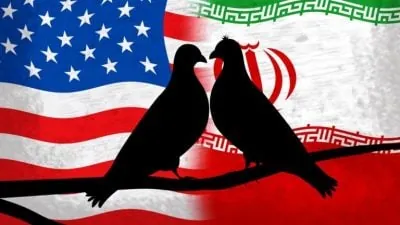
Trump Calls for Middle East Nations to Join Abraham Accords Amid Iran Talks
Former President Trump has demanded Saudi Arabia, Qatar, and Turkey join the Abraham Accords as part of broader Iran negotiations. Prediction markets currently assess a US-Iran deal at 15% probability by May 26 and 63.5% by June 7.
Written by CoinArticle’s AI Newsroom · from 1 cited source. How we work
The Demand
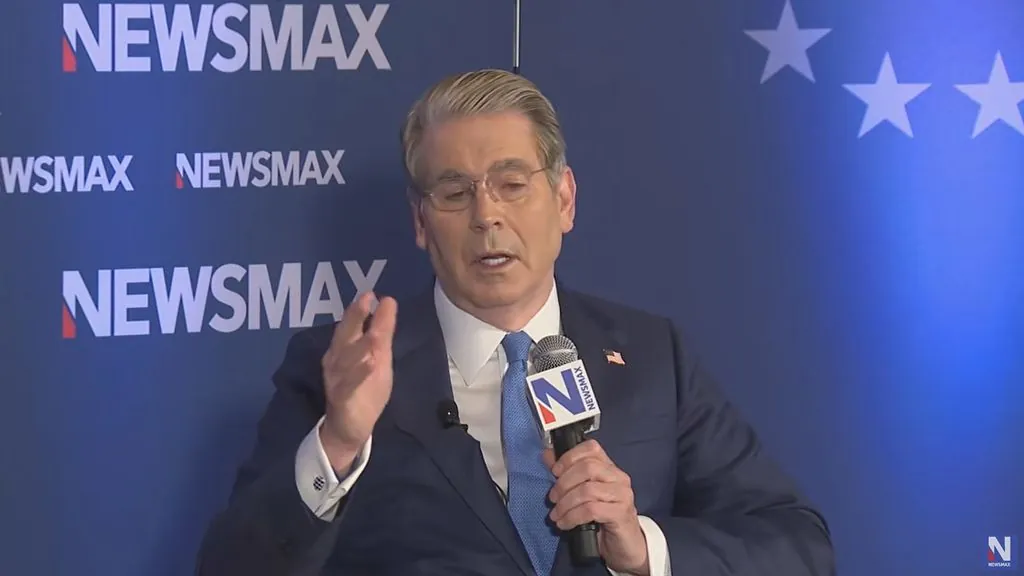
Trump called for Saudi Arabia, Qatar, and Turkey to sign onto the Abraham Accords framework as a condition of US-Iran nuclear negotiations. The Abraham Accords, a series of bilateral agreements normalizing relations between Israel and several Arab states, have been positioned as a cornerstone of Trump's Middle East strategy. Linking accession to Iran talks represents an effort to widen the diplomatic coalition before nuclear negotiations resume.
Market Expectations
Prediction markets reflect skepticism about near-term resolution. According to betting data, traders assessed the odds of a concluded US-Iran deal at 15% by May 26 and 63.5% by June 7. The gap between the two dates suggests market participants expect negotiations to extend well into early June but view a deal as more probable over a longer timeframe.
Why It Matters
For Traders
Geopolitical developments affecting oil and regional stability can influence macro volatility that spills into crypto volatility, though this story contains no direct market or asset impact.
For Investors
Cryptocurrency prices often move on macro sentiment shifts; prolonged Iran tensions or Middle East instability typically increase demand for non-sovereign store-of-value narratives.
For Builders
No immediate protocol or infrastructure implications; this is primarily a geopolitical and macroeconomic signal rather than a crypto-specific event.
This article is for information only and is not financial advice. Read the full disclaimer.