Trump Administration Reopens Strait of Hormuz, Easing Oil Market Pressure
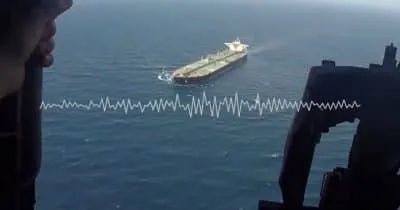
The Trump administration lifted a US naval blockade and brokered a ceasefire between the US and Iran, reopening the Strait of Hormuz to shipping traffic. The move is expected to stabilize energy markets and reduce geopolitical risk premiums in crude oil, with potential spillover effects on macro assets and crypto volatility.
Written by CoinArticle’s AI Newsroom · from 1 cited source. How we work
Strait of Hormuz Reopens After Blockade
The Trump administration has lifted its naval blockade of the Strait of Hormuz and facilitated a ceasefire between US and Iranian forces, reopening one of the world's most critical shipping lanes. The strait, through which roughly 21% of global petroleum traffic passes according to the US Energy Information Administration, had been a flashpoint for regional escalation and energy market disruption. Saudi Arabia has welcomed the policy shift, according to reporting on the development.
Energy Market Implications
The reopening is expected to ease pressure on global oil prices and reduce the geopolitical risk premium that has been embedded in crude valuations. Stabilization of Middle Eastern supply routes typically narrows energy volatility, which can reduce correlation spikes between equities, bonds, and risk assets. Lower energy uncertainty also tends to reduce the "inflation surprise" concerns that have pressured central bank policy expectations in recent months.
Why It Matters
For Traders
Reduced oil volatility and geopolitical risk premium could narrow the negative correlation between crude and equities, affecting macro hedge positioning and spot BTC volatility over the near term.
For Investors
Stabilized energy markets lower stagflation fears and may ease central bank hawkishness, creating a more favorable backdrop for risk-on asset valuations over months ahead.
For Builders
Reduced macro uncertainty and energy inflation pressure could improve conditions for sustained developer activity and protocol growth, though the effect is indirect and lagged.
This article is for information only and is not financial advice. Read the full disclaimer.