Political Risk: Trump-Xi Summit May Reshape Taiwan Policy and US-China Relations
President Trump signaled plans to discuss Taiwan arms sales during a forthcoming summit with Chinese leader Xi Jinping, potentially reshaping US-China geopolitical dynamics. The outcome could affect regional stability and investor perception of Taiwan-related assets and cross-strait semiconductor supply chains.
Written by CoinArticle’s AI Newsroom · from 1 cited source. How we work
What Trump Signaled
Trump indicated he intends to address Taiwan arms sales during an upcoming meeting with Xi Jinping, according to reporting on his statements. The specific timing and scope of the discussion remain unclear, as does whether the U.S. intends to use the summit to negotiate limits on military aid to Taiwan or to reaffirm existing commitments under the Taiwan Relations Act of 1979.
Geopolitical and Market Implications
Any shift in U.S. policy toward Taiwan arms sales could reshape investor confidence in the region's semiconductor supply chain, which represents a critical chokepoint for global chip production. Taiwan Semiconductor Manufacturing Company (TSMC), the world's largest contract chipmaker, sits at the center of geopolitical risk pricing across equities and crypto derivatives markets. A perceived reduction in U.S. security commitments to Taiwan could increase long-term uncertainty around TSMC operations and raise regional tensions, though the immediate market impact remains contingent on what, if anything, emerges from the summit.
Why This Matters for Crypto Markets
While not a direct crypto story, geopolitical shifts that threaten semiconductor supply or global trade relationships historically affect crypto asset volatility and institutional investment flows. Rising U.S.-China tensions have historically correlated with heightened demand for self-custodied, borderless assets as hedges against capital controls or asset freezes.
Why It Matters
For Traders
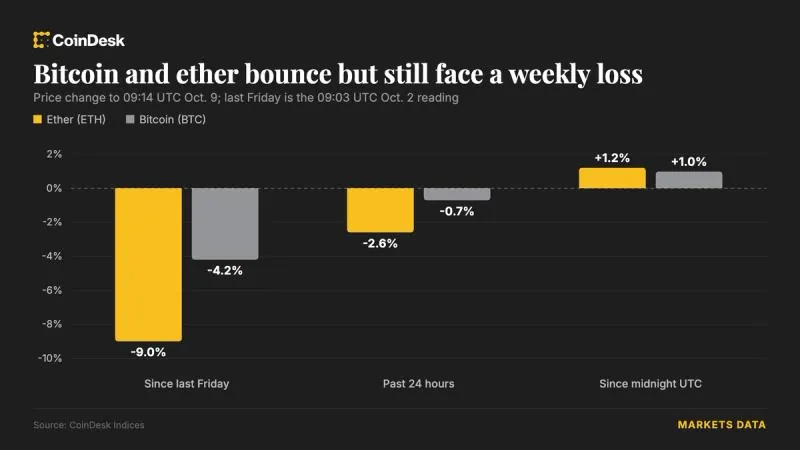
Geopolitical risk around Taiwan could increase volatility in BTC and ETH as macro hedges, particularly if U.S.-China tensions escalate or capital controls are perceived as more likely.
For Investors
Long-term semiconductor supply chain risk from any Taiwan policy shift affects valuation of on-chain infrastructure dependent on chip production and data-center capital costs.
For Builders
Heightened geopolitical uncertainty may accelerate demand for decentralized infrastructure and non-custodial protocols in markets perceived as at risk of capital controls or sanctions.
This article is for information only and is not financial advice. Read the full disclaimer.