TSMC Faces New Semiconductor Rivals as Supply Chain Diversifies
New competitors are emerging to challenge TSMC's dominance in advanced semiconductor manufacturing, potentially diversifying the global chip supply chain. The shift could affect access and pricing for mining hardware and AI accelerators that depend on cutting-edge fabrication capacity.
Written by CoinArticle’s AI Newsroom · from 1 cited source. How we work
TSMC's Market Position Under Pressure
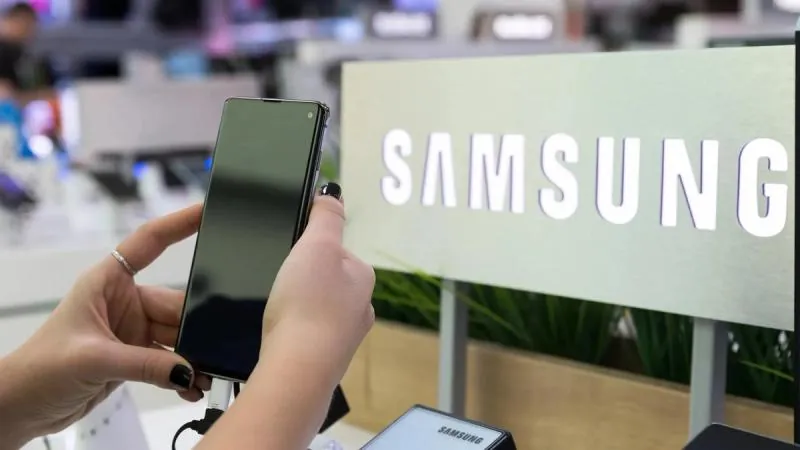
Taiwan Semiconductor Manufacturing Company has long held a commanding position in advanced chip production, controlling over 50% of the global foundry market and manufacturing the majority of high-performance processors used in crypto mining rigs and AI infrastructure. That oligopoly is beginning to fragment as Samsung, Intel Foundry Services, and emerging fabs in South Korea and the United States ramp capacity in the 3-nanometer and 5-nanometer nodes where most mining ASICs and GPUs are fabricated.
Implications for Mining Hardware Supply
Historically, mining hardware manufacturers like Bitmain, MicroBT, and Canaan have depended almost entirely on TSMC for access to the latest process nodes. Greater competition among foundries could increase available capacity, lower lead times for new chip designs, and potentially reduce per-unit manufacturing costs. However, supply chain diversification also introduces new variables—yield rates, quality consistency, and geopolitical risk vary across fabs, and miners may face a period of higher uncertainty as alternative suppliers scale production.
Why It Matters
For Traders
Lower ASIC lead times and manufacturing costs could increase mining hardware supply, raising marginal pressure on mining margins and net selling from miners.
For Investors
Supply chain diversification reduces concentration risk for mining operations and hardware makers but introduces new technical and geopolitical variables in the foundry landscape.
For Builders
Alternative foundries now offer viable paths for ASIC and accelerator designs; teams should evaluate Samsung and IFS roadmaps against TSMC for future tape-outs.
This article is for information only and is not financial advice. Read the full disclaimer.