US-China Summit Ends Without Major Deals as Xi Warns on Taiwan
A US-China summit concluded Tuesday without significant bilateral agreements, with Xi Jinping reiterating warnings over Taiwan. The lack of progress and elevated tensions may complicate future diplomatic cooperation and add uncertainty to cross-border crypto and fintech policy.
Written by CoinArticle’s AI Newsroom · from 1 cited source. How we work
Summit Concludes With Limited Progress
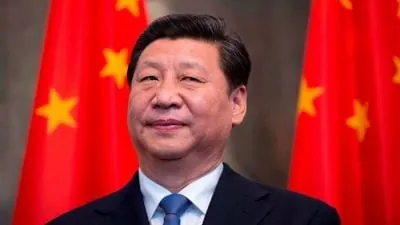
The US-China summit ended without major agreements between the two countries, according to officials briefing on the meetings. Xi Jinping used the occasion to reassert Beijing's position on Taiwan, signaling no change in China's stated red lines on the self-governed island.
Implications for Cross-Border Policy
The absence of concrete deals and continued Taiwan tensions may slow or complicate bilateral discussions on other domains, including financial regulation and technology governance. Cryptocurrency and digital asset policy often falls within broader trade and technology negotiations between the US and China, and heightened geopolitical friction can defer consensus-building on regulatory frameworks.
Market and Diplomatic Context
US-China diplomatic breakdowns have historically created periods of regulatory uncertainty in crypto markets, particularly around stablecoin issuance, exchange licensing, and cross-border capital flows. Neither country has major crypto-specific initiatives under active bilateral negotiation, but strain in general relations can shift the priority and timeline of regulatory moves on either side.
Why It Matters
For Traders
Elevated US-China tensions historically correlate with increased regulatory rhetoric and capital-flow friction; monitor for unilateral policy announcements in the coming weeks.
For Investors
Geopolitical escalation can slow or reverse cross-border cooperation on stablecoin standards and exchange regulation, prolonging regulatory fragmentation and compliance costs.
For Builders
Teams operating across US and China jurisdictions or relying on cross-border liquidity should stress-test for scenarios involving stricter capital controls or bilateral restrictions on fintech flows.
This article is for information only and is not financial advice. Read the full disclaimer.