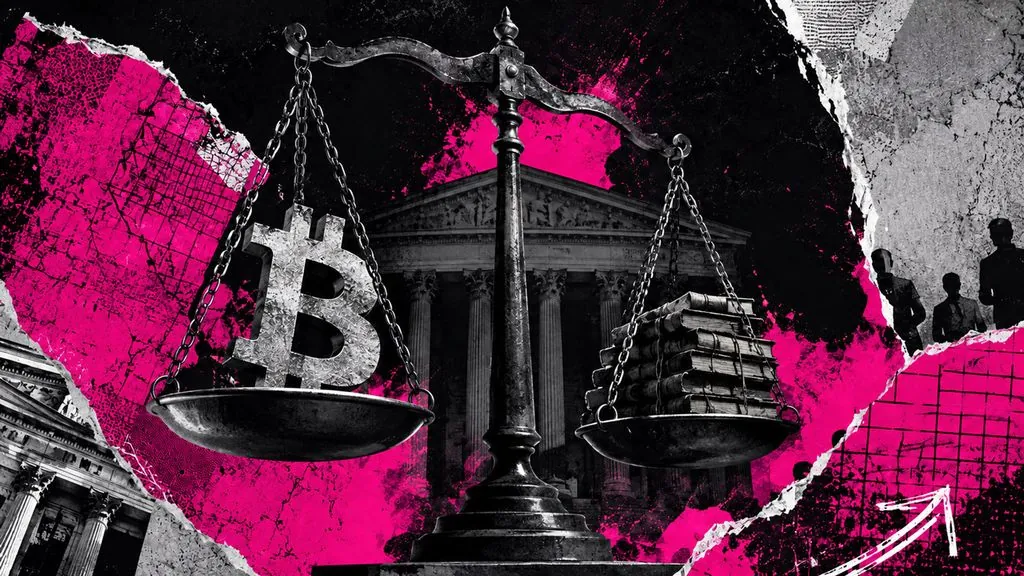
Uncertainty Looms: Will Congress Define the U.S. Crypto Market Structure?
The U.S. cryptocurrency industry remains at a critical crossroads as efforts to establish a clear market structure face significant hurdles. With Congress yet to provide regulatory clarity, the future of digital assets hangs in the balance, impacting innovation and investor confidence.
Written by CoinArticle’s AI Newsroom · from 2 cited sources. How we work
Key Takeaways
- 1**Political volatility**: Congressional leadership and committee focus areas shift with election cycles and priorities.
- 2**Market events**: Major crypto collapses or exchange failures directly impact legislative appetite for action.
- 3**Competing interests**: Traditional financial institutions, emerging fintech companies, and retail investors all lobby for different regulatory approaches.
- 4**Global context**: International developments in crypto regulation may influence or complicate U.S. policy decisions.
- 5**Technical complexity**: The nascent nature of crypto technology makes crafting durable legislation challenging.
The Great Unknown: Will the U.S. Ever Establish Clear Crypto Market Structure?
The cryptocurrency industry is at a pivotal moment as efforts to establish a comprehensive market structure in the U.S. remain shrouded in uncertainty. Recent analyses from both CoinDesk and BITRSS pose a pressing question: what if these efforts to create a regulatory framework never come to fruition?
What We Know
The push for a formal crypto market structure in the United States has been ongoing for years, yet tangible progress remains elusive. Both CoinDesk and BITRSS confirm that uncertainty surrounding congressional action on crypto regulation continues to plague the industry. The crypto community has long sought regulatory clarity that would legitimize digital assets and create standardized trading frameworks akin to those in traditional financial markets.
However, predicting the legislative path forward proves extraordinarily challenging. As both sources note, forecasting congressional decisions on cryptocurrency regulation is akin to long-range weather prediction—fraught with variables and susceptible to unexpected shifts. Political priorities fluctuate, committee compositions evolve, and public sentiment regarding crypto varies with market conditions and high-profile incidents.
Key Details
The challenges facing crypto market structure efforts stem from numerous interconnected variables that influence congressional decision-making. These factors include:
- Political volatility: Congressional leadership and committee focus areas shift with election cycles and priorities.
- Market events: Major crypto collapses or exchange failures directly impact legislative appetite for action.
- Competing interests: Traditional financial institutions, emerging fintech companies, and retail investors all lobby for different regulatory approaches.
- Global context: International developments in crypto regulation may influence or complicate U.S. policy decisions.
- Technical complexity: The nascent nature of crypto technology makes crafting durable legislation challenging.
Both sources emphasize that the future of the crypto industry is inextricably linked to obtaining regulatory clarity from Congress. Without formal market structure guidelines, the sector operates in a gray zone that stifles institutional adoption and investor confidence.
Why This Matters
The implications of failed market structure efforts extend far beyond the crypto industry itself. If Congress fails to establish clear frameworks, several consequences could ensue:
For Industry Development: Without regulatory certainty, cryptocurrency projects may relocate to more crypto-friendly jurisdictions overseas, potentially ceding American technological leadership to other nations. This "brain drain" could accelerate crypto innovation outside U.S. borders.
For Investors: Retail and institutional investors face ongoing uncertainty regarding asset classification, tax treatment, and exchange safeguards. This ambiguity may hinder mainstream adoption and institutional capital allocation to digital assets.
For Market Integrity: The absence of clear market structure rules leaves room for fraud, market manipulation, and systemic risk. Traditional financial safeguards that protect investors simply do not exist in the unregulated crypto space.
For Policymakers: Congressional inaction does not eliminate crypto's role in the financial system—it merely leaves it unregulated and vulnerable to evolving security threats and illicit use.
Conclusion
As CoinDesk and BITRSS highlight, the uncertainty surrounding U.S. crypto market structure efforts reflects broader challenges in regulating emerging financial technologies. Without decisive congressional action, the industry faces a precarious future where lack of clarity becomes the de facto policy. The stakes—for innovation, consumer protection, and American financial leadership—have never been higher.
This article is for information only and is not financial advice. Read the full disclaimer.