US Challenges EU's Digital Services Act: Implications for Web3 Governance
The US has formally challenged the EU's Digital Services Act, igniting a pivotal debate on internet regulation and Web3 governance. This clash reveals fundamental tensions around free speech and platform accountability, with far-reaching implications for emerging digital ecosystems.
Written by CoinArticle’s AI Newsroom · from 1 cited source. How we work
Key Takeaways
- 1The accountability of decentralized platforms in the absence of central authorities.
- 2The delicate balance between fostering innovation and ensuring user protection in nascent technologies.
- 3The effectiveness of regional regulations in governing global, borderless networks.
- 4The extent to which traditional regulatory models apply to decentralized systems.
US Challenges EU's Digital Services Act: Implications for Global Web3 Governance
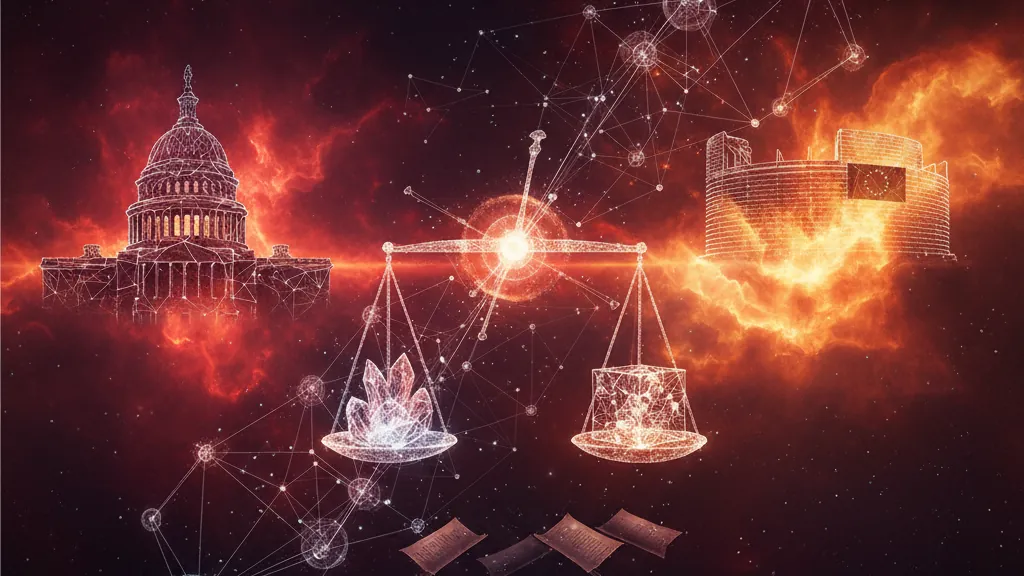
The United States has formally challenged the European Union's Digital Services Act (DSA), setting the stage for a significant international dialogue that could reshape the framework of internet regulation and the governance of Web3 technologies worldwide. This development marks a critical juncture in how democratic nations navigate platform accountability and digital rights in the digital age.
The Challenge and Core Tensions
The US challenge to the DSA centers on fundamental disagreements about the regulation of online platforms. At the heart of this dispute lies a tension between two crucial values: the protection of free speech and the necessity for platform regulation to ensure user safety and effective content moderation.
The Digital Services Act, characterized by the EU as a comprehensive framework for governing digital platforms, imposes strict requirements on tech companies operating within European markets. These requirements include transparency obligations, comprehensive content moderation standards, and enhanced accountability measures for major platforms.
Free Speech Versus Platform Accountability
This confrontation highlights divergent regulatory philosophies across the Atlantic. American concerns are chiefly centered on potential restrictions to free expression and the compliance burdens imposed on digital platforms. In contrast, the EU argues that robust regulation is essential to safeguard users from harmful content while ensuring that platforms maintain transparency in their operations.
The discord extends beyond traditional web platforms, raising pressing questions about the governance of emerging decentralized technologies. How do we hold platforms accountable in a decentralized context?
Implications for Web3 Governance
The stakes of this challenge are particularly high for Web3 ecosystems, encompassing blockchain networks, decentralized applications, and cryptocurrency platforms. As Web3 technologies mature and gain traction among mainstream users, the regulatory frameworks established today could set lasting governance standards for years to come.
This debate could establish critical precedents regarding:
- The accountability of decentralized platforms in the absence of central authorities.
- The delicate balance between fostering innovation and ensuring user protection in nascent technologies.
- The effectiveness of regional regulations in governing global, borderless networks.
- The extent to which traditional regulatory models apply to decentralized systems.
Global Digital Policy at a Crossroads
This challenge represents more than just a bilateral disagreement; it signals a broader global conversation about digital governance. Nations around the world are closely observing this development as they determine their own regulatory strategies for managing digital spaces and emerging technologies.
The resolution of this dispute could profoundly influence whether the global landscape moves towards harmonized international standards or fractures into competing regulatory zones, each with unique requirements for digital platforms and Web3 protocols.
Conclusion
The US challenge to the EU's Digital Services Act represents a pivotal moment in the evolution of global digital policy. As this situation unfolds, stakeholders across the technology sector, particularly within Web3, must prepare for potential regulatory shifts that could fundamentally alter how decentralized platforms operate and govern themselves on an international scale.
Why It Matters
For Traders
Understanding the implications of this regulatory challenge can help traders anticipate market shifts and potential volatility in crypto assets associated with decentralized platforms as they navigate compliance pressures.
For Investors
Long-term investors should monitor these developments as they could affect the operational landscape of Web3 companies, dictating how they interact with global regulations and manage their growth strategies.
For Builders
Developers and builders in the Web3 space must stay informed about potential regulatory frameworks that may emerge from this feud, as these regulations will influence how decentralized technologies are designed, adopted, and governed in the future.
This article is for information only and is not financial advice. Read the full disclaimer.