US Inflation Data Renews Focus on Bitcoin's Role as Hedge
Rising US consumer prices released May 12 have refocused trader and investor attention on Bitcoin's potential as an inflation hedge. Market participants are reassessing whether BTC can maintain value as nominal price pressures persist.
Written by CoinArticle’s AI Newsroom · from 1 cited source. How we work
Inflation Report Triggers Renewed Interest
The May 12 US inflation release drew fresh scrutiny of Bitcoin's performance relative to rising consumer prices. Traders and long-term investors alike are examining whether BTC behaves as a hedge during periods of sustained price increases, a claim often cited in cryptocurrency marketing but inconsistently borne out in practice.
Historical Performance Against Price Pressures
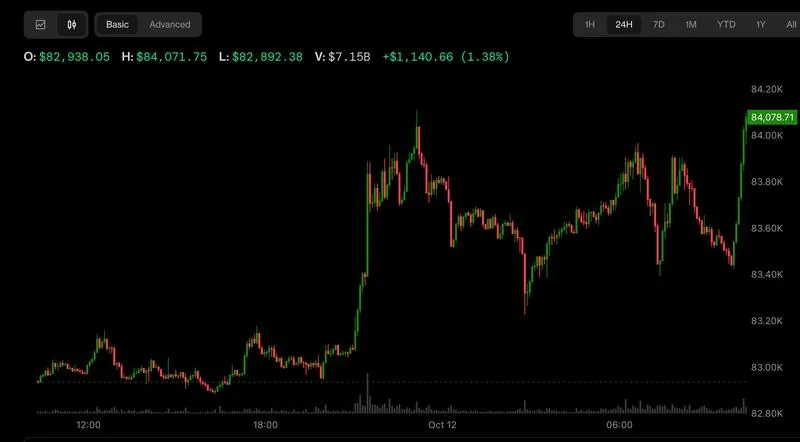
Bitcoin's track record as an inflation hedge remains mixed. During the 2021-2022 inflation cycle, BTC declined roughly 65% from its November 2021 peak even as the US Consumer Price Index reached 40-year highs. Conversely, BTC recovered sharply in 2023 and 2024 as real interest rate expectations shifted, suggesting its sensitivity to monetary policy and inflation expectations may matter more than headline CPI alone.
Structural Questions for the Asset
The timing raises structural questions for market participants. If inflation remains elevated, central bank policy response—whether rate cuts, pauses, or further tightening—will likely drive BTC price action more directly than inflation itself. Bitcoin's fixed supply of 21 million coins provides no automatic protection against currency debasement if real interest rates rise or investment demand deteriorates.
Why It Matters
For Traders
Inflation data is a key Fed policy trigger; short-term BTC direction will likely track rate expectations over the next 48-72 hours more than inflation levels themselves.
For Investors
Rising inflation renews debate on Bitcoin's long-term store-of-value thesis, but the relationship between CPI and BTC returns is weak enough that other factors dominate multi-month performance.
For Builders
Persistent inflation discussions may increase protocol team focus on stablecoin designs or yield mechanisms that compete with or complement fixed-supply base layer tokens.
This article is for information only and is not financial advice. Read the full disclaimer.