US Sanctions on Iran-China Oil Trade May Accelerate DeFi Adoption
The U.S. imposed sanctions on companies facilitating Iran's oil shipments to China, potentially driving both nations toward decentralized finance to circumvent traditional banking restrictions. The move is expected to increase demand for blockchain analytics tools.
Written by CoinArticle’s AI Newsroom · from 1 cited source. How we work
Sanctions Target Oil Trade Intermediaries
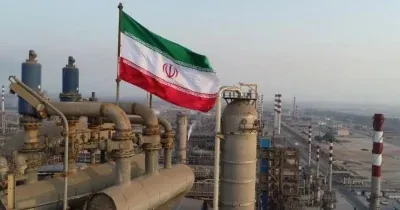
The U.S. Department of Treasury sanctioned a group of companies accused of enabling Iran's oil sales to China through intermediary transactions. The action aims to restrict Iran's access to dollars and traditional financial channels used to move crude and revenue between the two nations.
Implications for Decentralized Finance
Analysts expect Iran and China may increasingly turn to decentralized finance and peer-to-peer transactions to settle trade outside monitored banking systems. Such a shift would reduce reliance on SWIFT and correspondent banking—the primary mechanisms through which sanctions enforcement is typically executed. This could extend settlement timelines but would allow parties to operate beyond reach of centralized financial institution compliance requirements.
Blockchain Monitoring and Analytics Demand
The renewed reliance on on-chain settlement may accelerate adoption of blockchain analytics tools by compliance teams at regulated exchanges, banks, and government agencies. Firms offering transaction tracing, wallet clustering, and sanctions screening services are positioned to see increased demand as regulators adapt monitoring practices to catch cross-border crypto transfers.
Why It Matters
For Traders
Regulatory announcements targeting state actors can create short-term volatility in privacy coins and cross-chain bridges, though the macro effect on major assets is typically limited.
For Investors
Sustained sanctions pressure on traditional settlement channels historically increases long-term institutional interest in censorship-resistant financial infrastructure, though adoption timelines remain uncertain.
For Builders
Blockchain analytics startups and compliance-layer protocols may see accelerated demand for OFAC-screening and transaction-tracing tools as regulators expand on-chain monitoring.
This article is for information only and is not financial advice. Read the full disclaimer.