U.S. Treasury Seizes Nearly $1B in Cryptocurrency Linked to Iran
The U.S. Treasury announced the seizure of nearly $1 billion in cryptocurrency assets linked to Iran, targeting holdings connected to the Islamic Revolutionary Guard Corps. The action represents an escalation of U.S. financial sanctions against Tehran and its military entities.
Written by CoinArticle’s AI Newsroom · from 1 cited source. How we work
Treasury Action
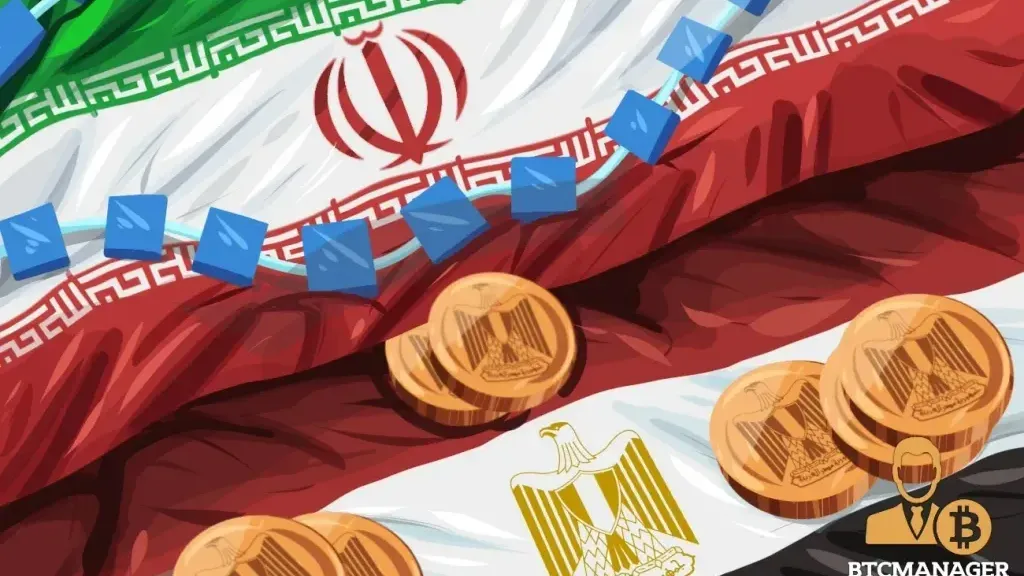
The U.S. Treasury Department announced the seizure of nearly $1 billion in cryptocurrency tied to Iran, according to a statement from the department. The seized assets are linked to entities and individuals operating under the direction of Iran's Islamic Revolutionary Guard Corps, which the United States designates as a foreign terrorist organization.
Sanctions Expansion
The seizure marks an extension of existing U.S. financial sanctions against Iran into the digital assets space. Cryptocurrency has become an increasingly important channel for moving value outside conventional banking systems, and U.S. authorities have previously targeted Iranian blockchain addresses and exchange accounts. The Treasury move signals an intensified focus on disrupting Tehran's ability to access and move assets abroad.
Broader Context
Iran has faced comprehensive U.S. economic sanctions since 2018, when Washington withdrew from the 2015 nuclear deal. Digital assets have offered Tehran partial workarounds to traditional financial restrictions, though blockchain's permanent transaction record makes concealment difficult once assets are identified. Prior Treasury actions have sanctioned specific cryptocurrency exchanges and wallet addresses suspected of facilitating Iranian transactions.
Why It Matters
For Traders
Heightened regulatory scrutiny of Iran-linked wallets may increase compliance pressure on exchanges and custodians handling cross-border transactions, affecting liquidity in certain markets.
For Investors
U.S. sanctions enforcement on blockchain assets demonstrates regulatory willingness to identify and freeze on-chain holdings, a structural risk for any asset or entity facing U.S. designation.
For Builders
Protocols and exchanges must strengthen compliance tooling around sanctioned jurisdictions and entities; regulatory pressure to identify and freeze assets continues to challenge privacy and decentralization ideals.
This article is for information only and is not financial advice. Read the full disclaimer.