Which Crypto Will Crash to Zero? 4 AI Models Reveal Red Flags
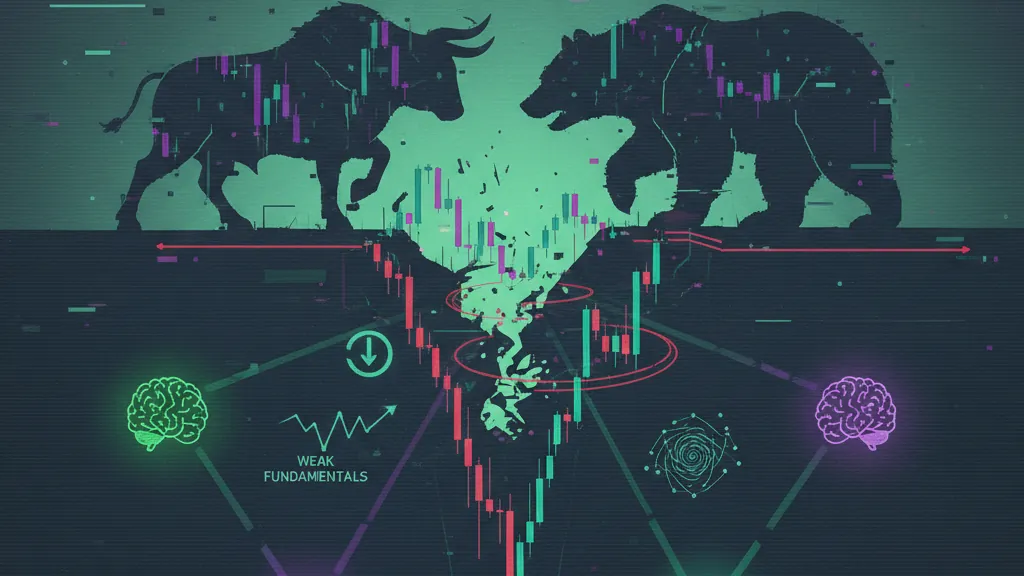
We asked GPT-4, Claude 3, Gemini Advanced, and Perplexity AI to identify cryptocurrencies most likely to fail completely. The models revealed common warning signs—weak fundamentals, poor tokenomics, and centralized control—that historically precede total collapse.
Written by CoinArticle’s AI Newsroom · from 1 cited source. How we work
Key Takeaways
- 1Limited real-world utility
- 2Concentrated token holdings among early backers
- 3Heavy reliance on speculative trading rather than organic adoption
Which Crypto Will Crash to Zero Next? We Asked 4 AIs, and The Answers Might Shock You
The cryptocurrency market has seen spectacular collapses. From exchange hacks to rug pulls, tokens have evaporated seemingly overnight. To identify which digital assets might be next, we posed a critical question to four leading AI systems: which cryptocurrency is most likely to crash to zero?
Our AI Experiment
We consulted GPT-4, Claude 3, Gemini Advanced, and Perplexity AI, asking each to analyze current market conditions and identify cryptocurrencies exhibiting failure characteristics. The responses revealed striking patterns—and sobering truths about market vulnerability.
Rather than predicting specific tokens, the AI systems focused on identifying structural risk factors: weak fundamentals, limited adoption, unclear tokenomics, and centralized control. They referenced historical precedents, with several citing the RAVE token collapse as a cautionary example.
What RAVE's Collapse Teaches Us
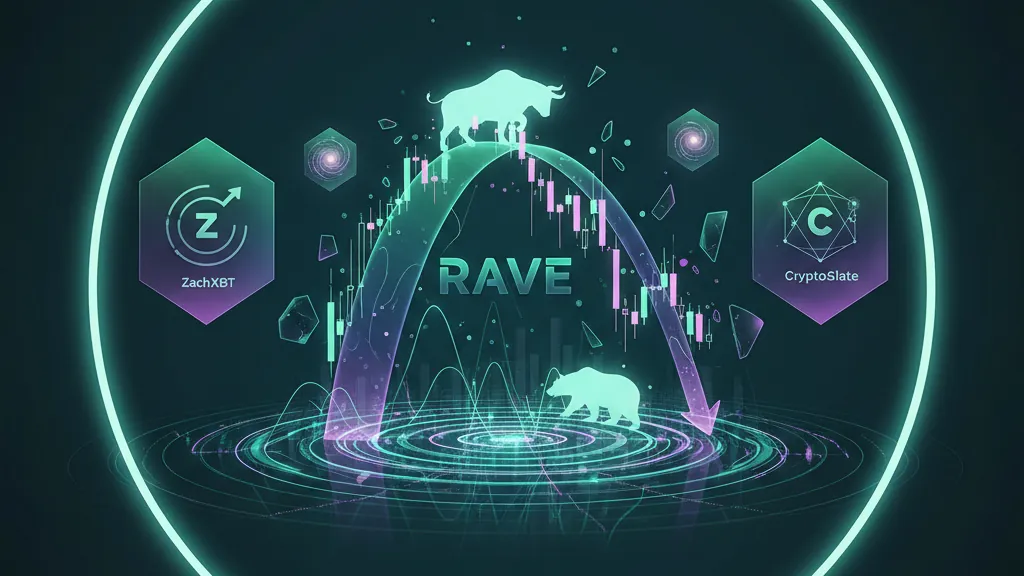
The RAVE token incident exemplifies how rapidly investor confidence evaporates. Once promoted as a promising platform, the token lost virtually all value as market sentiment shifted. RAVE's trajectory—from market prominence to near-worthlessness—became a recurring reference in AI analyses.
The AI models flagged similar warning signs in other projects:
- Limited real-world utility
- Concentrated token holdings among early backers
- Heavy reliance on speculative trading rather than organic adoption
These structural vulnerabilities create the conditions for catastrophic failure.
Critical Red Flags Across All Models
Four consistent warning indicators emerged:
Weak Use Cases — Projects lacking practical applications or clear value propositions struggle to maintain investor interest long-term.
Questionable Governance — Centralized decision-making without transparent community input breeds distrust and vulnerability.
Unsustainable Tokenomics — Problematic inflation schedules or vesting mechanisms incentivize large selling pressure and price collapse.
Low Trading Volume — Thin liquidity enables price manipulation and amplifies volatility, particularly during market stress.
Why This Matters for Traders
Active traders must understand crash indicators for effective risk management. Monitor token velocity, holder concentration, and Bitcoin correlation. Projects showing negative divergence from broader market movements may signal deeper structural problems requiring immediate attention.
Why This Matters for Investors
Long-term cryptocurrency investors must recognize that total loss remains a genuine possibility. Thorough due diligence—examining team credentials, audited smart contracts, and verified adoption metrics—represents essential portfolio protection. Historical RAVE-like collapses typically display warning signs that careful investors can identify beforehand.
Why This Matters for Builders
Project founders and developers should heed the AI consensus: sustainable design wins. Successful crypto projects demonstrate clear utility, transparent governance structures, and reasonable tokenomics. Building genuine adoption—rather than relying on speculation—provides legitimate protection against eventual zero valuations.
The Uncomfortable Truth
Many tokens will inevitably crash to zero. The real question isn't whether they'll fail, but which ones—and whether you'll recognize the warning signs in time to protect yourself.
Why It Matters
For Traders
Understanding crash indicators enables better risk management and helps identify high-risk positions before major losses occur.
For Investors
Recognizing red flags protects portfolios from total loss events through proactive due diligence and fundamentals analysis.
For Builders
Prioritizing sustainable tokenomics and real adoption over speculation creates long-term viability and investor confidence.
This article is for information only and is not financial advice. Read the full disclaimer.