AMC CEO Attacks Robinhood's Tokenized Shares as 'Contemptible'
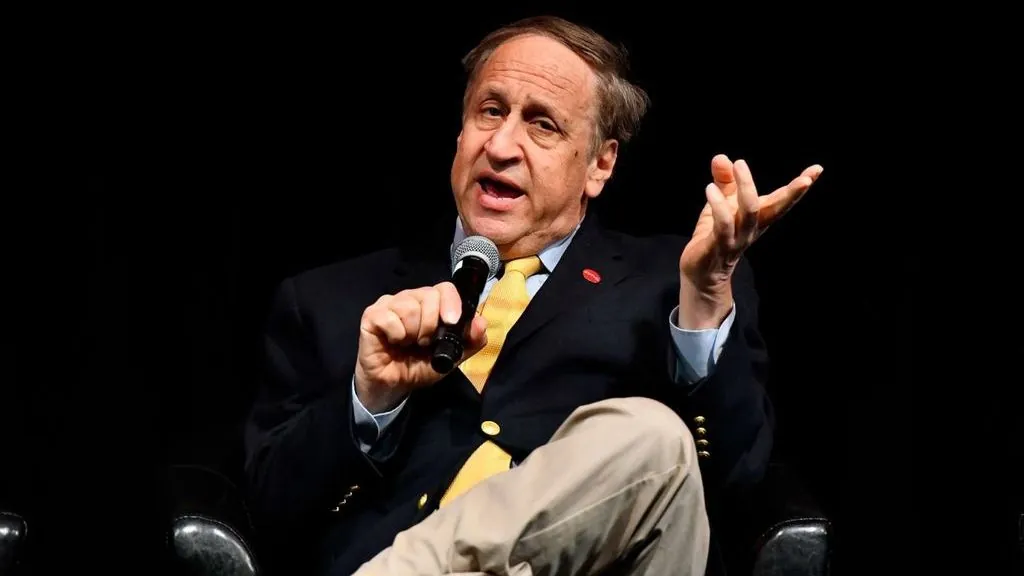
AMC Entertainment CEO Adam Aron called Robinhood's tokenized AMC shares 'contemptible' and demanded the platform cease issuance, citing risks that synthetic shares could divert demand from actual stock and questioning whether tokens remain fully backed if collateral is lent to short sellers.
Written by CoinArticle’s AI Newsroom · from 5 cited sources. How we work
Story Updates
- Updated Sep 13, 2026, 11:02 AM: Aron questions whether tokens are fully backed if collateral shares are lent to short sellers.
- Updated Sep 5, 2026, 07:03 AM: Robinhood tokenized AMC stock without consent or notification to AMC, escalating legal and governance questions about unauthorized equity tokenization.
- Updated Sep 5, 2026, 01:12 AM: Robinhood's chief legal officer challenged Aron to pursue the matter through lawyers; tokenized AMC supply continues to grow.
Aron Discovers Unauthorized Tokenization and Challenges Backing
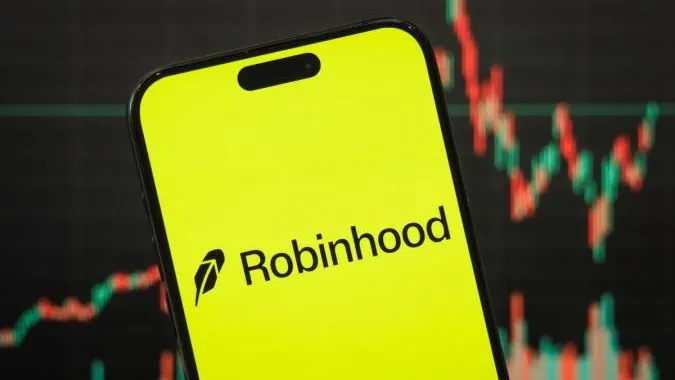
Adam Aron, CEO of AMC Entertainment, learned that Robinhood had tokenized AMC stock on its own blockchain without informing or obtaining permission from AMC, according to Crypto.news. Aron's discovery prompted him to publicly demand that Robinhood cease trading of the token and called the offering 'contemptible.' More recently, Aron has questioned whether Robinhood's tokens remain fully backed if the collateral shares are lent to short sellers, raising doubts about the 1:1 backing claim underlying the tokenization.
Robinhood's Legal Posture
Robinhood Chief Legal Officer Dan Gallagher responded to Aron's initial demand with a direct challenge: 'Send your lawyers and we'll educate them.' The comment signals Robinhood's confidence in the legal foundation of its tokenization program and its willingness to defend the offering in court if necessary. AMC's securities counsel is evaluating whether the company can legally force a halt to the program, though the scope of such authority remains legally unsettled.
Core Dispute: Supply Fragmentation and Collateral Security
According to The Defiant, Aron argued that synthetic shares could divert demand from the underlying stock and strip investors of shareholder rights such as voting and dividend participation. The dispute has evolved to focus on collateral safety: if Robinhood lends the AMC shares held against tokenized offerings to short sellers, the tokens may no longer be backed by actual shares. The tokenized AMC supply has continued to grow despite Aron's objections, indicating ongoing issuance and investor demand.
Regulatory and Industry Context
The dispute exposes what Crypto.news characterizes as the biggest unresolved question in tokenized finance: who gets to decide what happens to a company's stock once it enters the blockchain ecosystem, and what obligations tokenization platforms have to preserve collateral integrity. Some tokenization industry executives have voiced support for Aron's concerns about market fragmentation and loss of shareholder visibility, though broader industry consensus remains absent. The collateral-lending question adds a new layer of custodial risk to an already contentious authorization dispute.
Why It Matters
For Traders
Collateral-backing uncertainty increases redemption risk for token holders and could trigger custodial disputes that affect token tradability.
For Investors
Unresolved custody and lending practices around tokenized equity could set precedent for whether public companies require explicit consent and collateral protections.
For Builders
Tokenization platforms may face mandatory collateral segregation requirements or issuer-approval gating depending on regulatory resolution.
This article is for information only and is not financial advice. Read the full disclaimer.