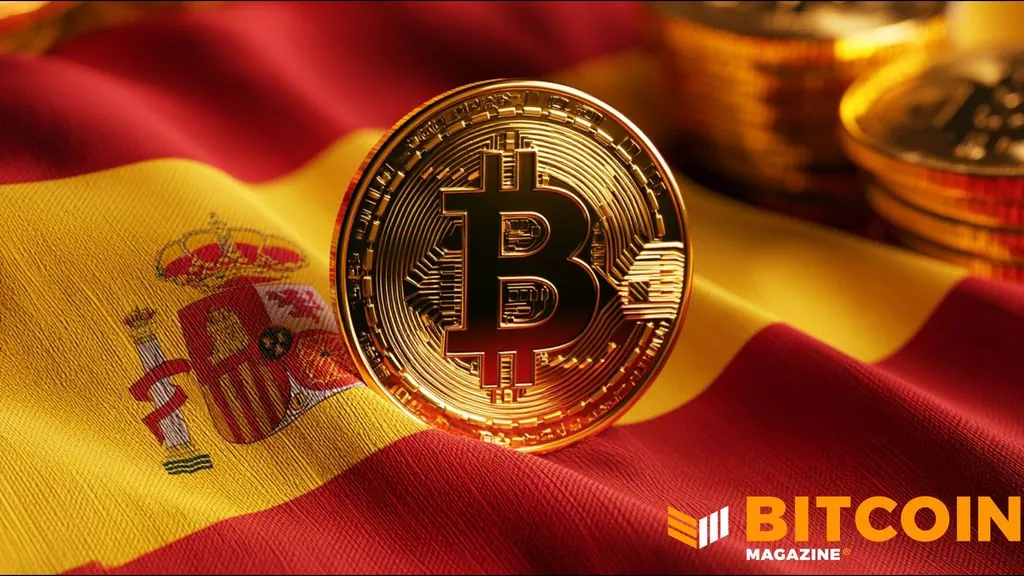
Banco Santander Buys $4.3M Bitcoin via BlackRock IBIT ETF
Spain's largest bank, Banco Santander, purchased $4.3 million in Bitcoin exposure through BlackRock's IBIT ETF, according to Bitcoin Magazine. The move signals growing institutional adoption, with BlackRock reporting $143.57 million in client Bitcoin purchases through the same fund.
Written by CoinArticle’s AI Newsroom · from 2 cited sources. How we work
Banco Santander's Bitcoin Position
Banco Santander, Spain's largest bank, has acquired $4.3 million in Bitcoin exposure via BlackRock's IBIT spot Bitcoin ETF, according to Bitcoin Magazine. The purchase marks a notable entry point for one of Europe's largest financial institutions into direct Bitcoin holdings. Santander joins a lengthening list of traditional banks and financial firms that have opted to gain Bitcoin exposure through regulated ETF vehicles rather than direct custody arrangements.
Broader Institutional Inflows
Santander's purchase sits within a larger pattern of institutional capital flowing into Bitcoin ETFs. BlackRock reported that clients purchased $143.57 million in Bitcoin through IBIT, underscoring the appeal of the regulated fund structure to institutions seeking regulatory clarity and operational simplicity. The distinction between the two figures—Santander's $4.3 million purchase and the broader $143.57 million in client inflows—suggests multiple institutions are moving simultaneously, though the timing relationship between these two data points remains unclear from available sources.
Institutional Adoption Trend
The entry of a systemically important European bank into spot Bitcoin holdings through a regulated vehicle reflects shifting risk assessments among traditional financial institutions. BlackRock's IBIT, which launched in early 2024, has become a primary on-ramp for institutional capital seeking Bitcoin exposure without the custody complexity of direct holdings. Santander's decision underscores how ETF approval has lowered the friction for institutional Bitcoin adoption across geographies and asset classes.
Why It Matters
For Traders
Sustained institutional inflows via ETFs can reduce near-term spot market volatility by channeling large purchases through regulated vehicles, though daily price impact depends on execution timing.
For Investors
Major European banks adopting Bitcoin via regulated ETFs signals normalization of crypto as an institutional asset class and reduces regulatory risk perception for other traditional finance firms.
For Builders
Growing ETF adoption as a preferred institutional on-ramp may slow demand for alternative custody and infrastructure solutions, reshaping where builders should focus resources.
This article is for information only and is not financial advice. Read the full disclaimer.