Bets.io Adds Fiat Payment Support for Player Deposits
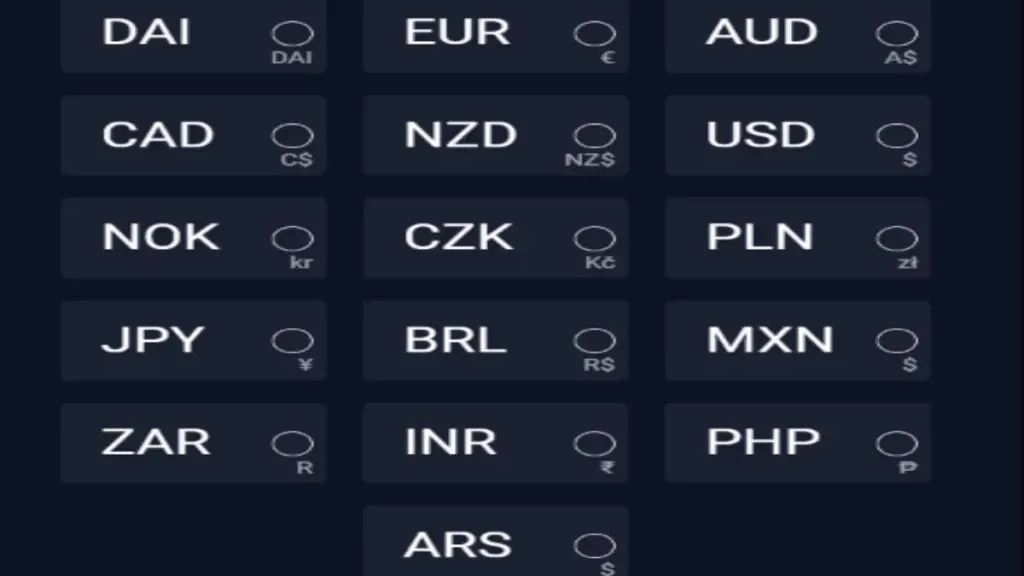
Bets.io has introduced fiat currency payment options, allowing players to deposit using traditional banking methods alongside cryptocurrency. The move expands the platform's payment infrastructure to reach users who prefer conventional deposit channels.
Written by CoinArticle’s AI Newsroom · from 1 cited source. How we work
Expanded Payment Methods
Bets.io now accepts fiat currency deposits, broadening its payment infrastructure beyond cryptocurrency-only channels. The addition of traditional payment methods allows players to fund accounts using standard banking options, reducing friction for users unfamiliar with on-chain transfers or preferring conventional financial rails.
Strategic Positioning
The move reflects a broader trend in blockchain-based gaming and betting platforms toward hybrid payment stacks that bridge crypto-native users and mainstream players. By supporting both fiat and digital assets, Bets.io addresses a common adoption barrier: payment accessibility for players who lack existing crypto holdings or wallets.
Why It Matters
For Traders
Increased onboarding velocity to betting platforms may drive marginal demand for stablecoins and wrapped assets used for in-game settlement.
For Investors
Platform accessibility improvements signal growing recognition that crypto adoption requires fiat on/off ramps, not just native-asset support.
For Builders
Mainstream betting platforms integrating fiat rails demonstrate market validation for hybrid payment stacks; builders designing for similar verticals can reference this pattern.
This article is for information only and is not financial advice. Read the full disclaimer.