Binance Loses $5.7 Billion in Cryptocurrency in Largest Hack to Date
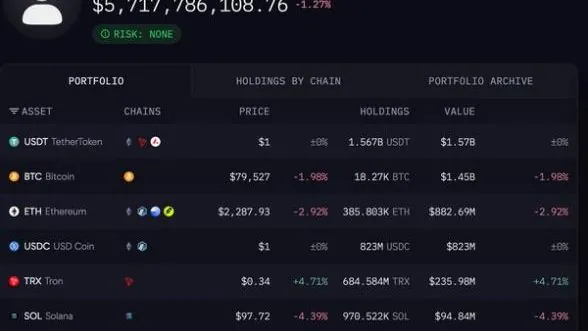
Binance disclosed a $5.7 billion loss from a security breach, the largest cryptocurrency hack on record. Bitcoin fell to $79,000 following the announcement as traders reassessed exchange risk exposure.
Written by CoinArticle’s AI Newsroom · from 1 cited source. How we work
Breach Details
Binance announced Tuesday that attackers withdrew $5.7 billion in cryptocurrency from the exchange, according to a statement from the company. The exchange said it immediately halted withdrawals and initiated a full security audit. Binance did not immediately disclose which assets were taken or the precise window in which the breach occurred.
Market Response
Bitcoin fell to $79,000 per coin following the news, down from around $82,000 before the announcement. Trading volume on major spot exchanges increased sharply as holders moved assets to non-custodial wallets. Ethereum and other major altcoins declined in tandem with Bitcoin, reflecting broad de-risking across cryptocurrency markets.
Regulatory and Operational Questions
The breach raises questions about whether Binance's insurance and custody practices protected customer funds. Binance operates as a centralized exchange and holds the bulk of customer deposits in its own systems rather than delegating custody to third parties. The company has not yet specified the portion of losses attributable to customer versus company-owned assets.
Why It Matters
For Traders
Exchange counterparty risk is now pricing into spot markets; traders holding assets on centralized venues face heightened liquidation risk if exchanges restrict withdrawals.
For Investors
A loss of this magnitude may trigger regulatory intervention in major jurisdictions and accelerate capital flight toward custody-segregated platforms and self-hosted wallets.
For Builders
Demand for non-custodial trading infrastructure, cross-chain bridges, and DEX liquidity pools will likely increase as users reduce reliance on single exchange counterparties.
This article is for information only and is not financial advice. Read the full disclaimer.