Bitcoin's 4-Year Cycle May Be Shifting to Longer Wall Street Pattern
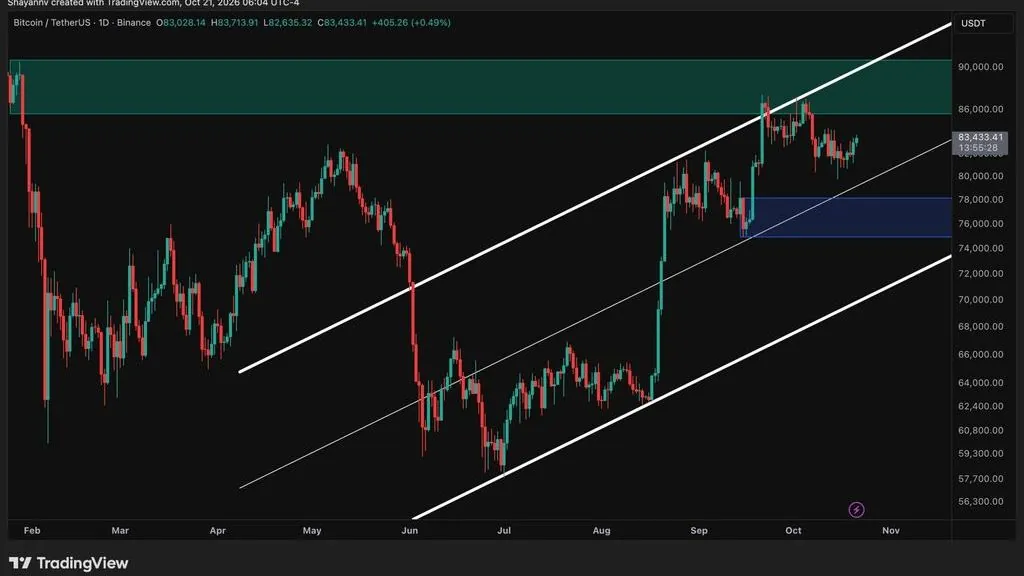
On-chain analyst Willy Woo has proposed that Bitcoin's well-documented 4-year halving cycle may be giving way to a 6-to-8-year macro rhythm more aligned with traditional financial markets. The claim contradicts recent research suggesting the older pattern persists.
Written by CoinArticle’s AI Newsroom · from 2 cited sources. How we work
The Case for a Longer Cycle
On-chain analyst Willy Woo has argued that Bitcoin's traditional 4-year halving cycle—driven by scheduled reductions in block rewards—may no longer be the dominant market rhythm. Instead, Woo suggests a 6-to-8-year macro cycle is becoming more apparent, a timeframe more typical of equity markets and macro asset allocations than of Bitcoin's early history.
Woo's observation reflects a broader shift in Bitcoin's market structure: as institutional adoption has grown, the asset may be absorbing longer-term capital allocation patterns from Wall Street rather than cycling solely to its own halving schedule.
Conflicting Evidence
Recent research, however, contradicts Woo's thesis, finding that the 4-year cycle remains statistically visible in price action and volatility clustering around halving events. The disagreement highlights an open question in Bitcoin's maturing market: whether the asset's original technical cycle has weakened, or whether both patterns coexist with shifting relative weight.
No single study or on-chain metric has achieved consensus on which cycle will dominate going forward. Woo's longer-cycle hypothesis awaits further validation as more market data accumulates.
Why It Matters
For Traders
If macro cycles are lengthening, traditional halving-based trade timing may become less reliable; positioning around longer institutional flows could matter more.
For Investors
A shift from 4-year to 6-8-year cycles would imply longer duration before volatility peaks and troughs, potentially flattening draw-downs but extending recovery periods.
For Builders
Protocol incentive models and staking reward schedules calibrated to 4-year cycles may need recalibration if the actual market rhythm has fundamentally extended.
This article is for information only and is not financial advice. Read the full disclaimer.