Bitcoin ETFs Gain Custody Case After $88.6M Coldcard Drain, Analyst Says
A $88.6 million cryptocurrency theft from Coldcard hardware wallets has reinforced arguments for Bitcoin spot ETFs, according to Bloomberg analyst Eric Balchunas. The incident underscores risks of self-custody while demonstrating the appeal of regulated institutional custody available through ETF structures.
Written by CoinArticle’s AI Newsroom · from 1 cited source. How we work
What Happened
Approximately $88.6 million in cryptocurrency was drained from Coldcard hardware wallets in what appears to be a coordinated theft affecting multiple users. Coldcard, a popular self-custody device, has become the focus of security investigations as affected users reported unauthorized fund transfers.
The ETF Custody Argument
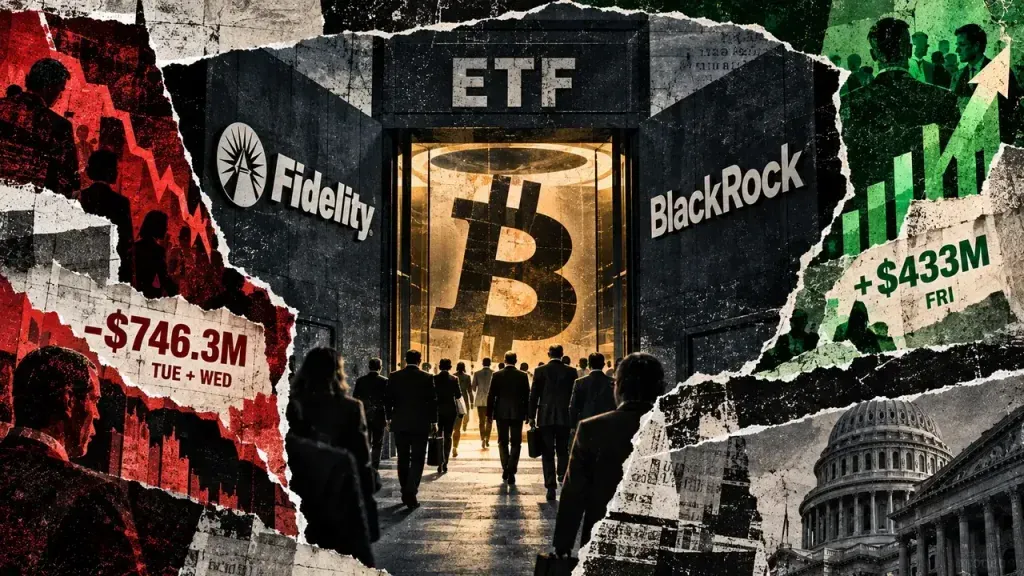
Bloomberg Intelligence analyst Eric Balchunas argued that the Coldcard incident strengthens the case for Bitcoin spot ETFs by highlighting the real-world risks of self-custody. ETF structures shift custody responsibility to regulated third parties — typically major institutional custodians like Fidelity or BNY Mellon — removing end-user responsibility for private key management. This custody model eliminates certain attack vectors that hardware wallet users face, such as supply-chain compromise or user error.
Persistent Custody Risks
Balchunas cautioned that institutional custody is not risk-free. ETF holders remain exposed to counterparty risk from custodians, regulatory changes affecting deposit security, and potential operational failures. The tradeoff between self-custody complexity and institutional counterparty risk remains a core tension in the Bitcoin investment landscape.
Why It Matters
For Traders
ETF custody structures may attract short-term inflows from users spooked by self-custody incidents, though the Coldcard event itself does not move spot prices materially.
For Investors
Recurring self-custody breaches bolster the regulatory and marketing narrative for Bitcoin ETFs as a safer on-ramp for institutions and retail; adoption curves could accelerate if security incidents persist.
For Builders
Wallet and custody infrastructure teams should review their key management and supply chain security; competitive pressure from ETF custodians may force hardware wallet providers to improve threat disclosure practices.
This article is for information only and is not financial advice. Read the full disclaimer.