Bitcoin Falls 3.6% as Hot US Inflation Data Revive Rate Hike Bets
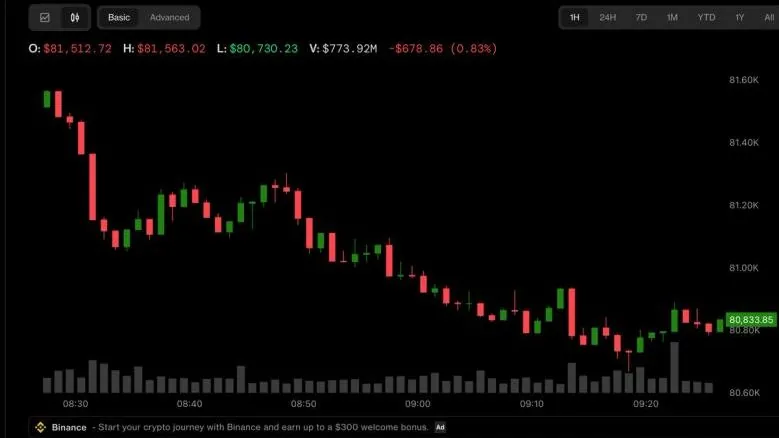
Bitcoin dropped 3.6% to around $81,500 after the U.S. reported stronger-than-expected September inflation readings in both consumer and producer prices. Rising Treasury yields sparked fresh concerns about additional Federal Reserve rate increases, weighing on risk assets across crypto and equities.
Written by CoinArticle’s AI Newsroom · from 2 cited sources. How we work
Inflation Data Exceeds Forecasts
The U.S. Bureau of Labor Statistics reported September consumer prices rose 3.7%, above consensus expectations, according to Decrypt. The same period's producer inflation also came in hotter than forecast, as reported by Crypto.news on October 15. Both readings pushed Treasury yields higher, a standard market response to upside inflation surprises that signal tighter monetary policy ahead.
Market Pullback Across Risk Assets
Bitcoin fell 3.6% over 24 hours to around $81,500, tracking a broader selloff in equities and other risk-sensitive assets. The price decline reflects investor repricing of Fed rate-hike probabilities; markets had begun to price in a prolonged pause in rate increases, and the stronger-than-expected inflation data reopened the possibility of further tightening. Bitcoin has historically moved inverse to real rates (nominal Treasury yields minus inflation expectations), so higher yields amid hot inflation readings compress valuations.
Macro Backdrop
The inflation surprise follows months of cooling price growth that had led some investors to anticipate rate cuts in 2024. The hotter-than-expected readings suggest the Fed's work on price stability remains incomplete, potentially extending the higher-for-longer interest rate environment that has weighed on leveraged and speculative positions in crypto.
Why It Matters
For Traders
BTC weakness may extend if macro data continues to surprise hot; watch 10-year Treasury yields as a leading indicator for further downside over the next 48 hours.
For Investors
Persistent inflation above the Fed's 2% target prolongs the duration of high real rates, a headwind for non-yield-bearing assets like Bitcoin over multi-month horizons.
For Builders
Sustained uncertainty around monetary policy timing can defer institutional adoption decisions and protocol treasury management; builders should stress-test for sustained 4%+ real rates.
This article is for information only and is not financial advice. Read the full disclaimer.