Bitcoin Hits $77,000 in Best Week Since 2023 as Short Positions Unwind
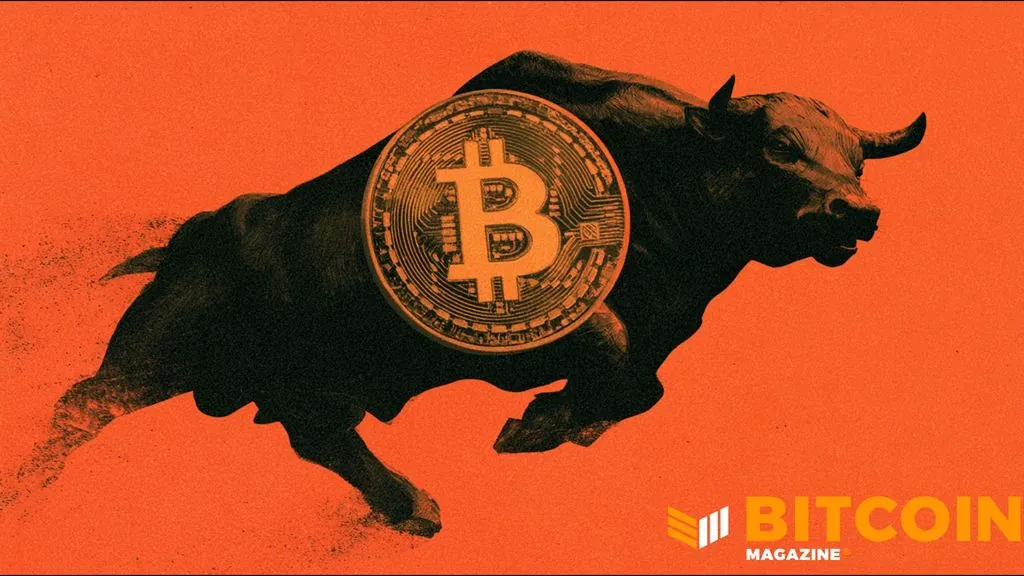
Bitcoin rose 24% since Monday to breach $77,000, marking its strongest weekly performance in over a year. The move has triggered significant liquidations in leveraged short positions, according to on-chain data.
Written by CoinArticle’s AI Newsroom · from 2 cited sources. How we work
Week-Long Rally Extends Gains
Bitcoin reached $77,000 this week, gaining 24% since Monday in its best weekly performance since 2023. According to CoinDesk, the move aligns with a technical level implied by an inverse head-and-shoulders chart pattern that had recently broken above resistance. Daily volume and breadth across major trading pairs reflected sustained buying interest rather than a single-day spike.
Shorts Forced to Cover
Leveraged short positions have faced significant pressure as the price advance accelerated. Bitcoin Magazine reports that traders betting on further decline have suffered substantial losses, with liquidations cascading as positions were automatically closed below trigger levels. Liquidation data from on-chain monitoring firms showed heightened activity in derivatives markets on major exchanges, though CoinDesk noted that shorts remain at contrarian positioning relative to the recent momentum.
Altcoin Participation
Bitcoin's strength has carried secondary tokens higher alongside the rally. The broader market's correlation to BTC during this period suggests the move reflects macro sentiment rather than isolated Bitcoin demand. Ethereum and other top-10 assets posted gains in the 8–15% range over the same timeframe, though their percentage moves lagged Bitcoin's advance.
Why It Matters
For Traders
Short liquidations can accelerate rallies on low volume; watch support levels for mean reversion signals over the next 48-72 hours.
For Investors
A break above $77,000 backed by technical pattern completion suggests a shift in medium-term sentiment, though confirmation through a weekly close above resistance matters.
For Builders
Higher volatility and leverage liquidations may drive temporary spikes in on-chain transaction fees; fee-market models should account for this pattern.
This article is for information only and is not financial advice. Read the full disclaimer.