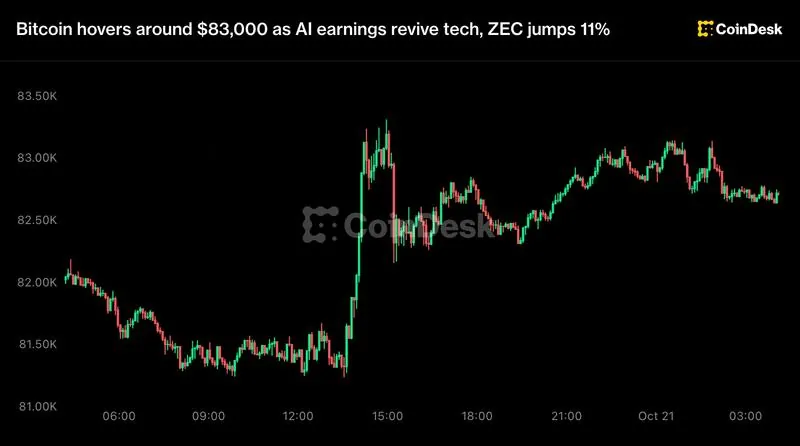
Bitcoin Holds $62K as Geopolitical Tensions and Korean Equity Selloff Drive Trading
Bitcoin consolidated above $62,000 this week as renewed US-Iran tensions and a South Korean stock market selloff redirected capital into crypto. Gold declined amid the volatility, while geopolitical risk pushed oil prices higher and renewed inflation concerns.
Written by CoinArticle’s AI Newsroom · from 2 cited sources. How we work
Geopolitical Pressure and Price Stability
Bitcoin held above $62,000 amid renewed hostilities between the United States and Iran, with CoinDesk reporting the asset at $62,600 while CryptoSlate data showed it trading near $63,000. Escalating tensions, including Trump's threats of additional Iran strikes, slowed shipping traffic through the Strait of Hormuz and pushed crude oil prices higher, reviving inflation concerns across global markets.
Capital Flight from Equities
South Korean equity markets experienced a sharp selloff in the KOSPI index this week, prompting retail and institutional investors to redirect holdings into cryptocurrency. Trading volumes on Korean crypto exchanges surged as investors fled the stock rout, suggesting a shift in risk allocation rather than a broad bullish move in Bitcoin itself. By contrast, gold retreated during the same period, indicating mixed safe-haven demand.
Market Consolidation
Bitcoin's resilience above $62,000 followed Monday's selloff and reflected consolidation rather than decisive directional movement. The $60,000 level emerged as a key support point traders have monitored, with the asset maintaining ground above that threshold throughout the volatility.
Why It Matters
For Traders
Bitcoin above $62K suggests support holding, but geopolitical noise and cross-border equity outflows create intraday volatility—watch Strait of Hormuz developments and KOSPI for directional cues.
For Investors
Safe-haven flows remain fragmented; Bitcoin gaining while gold weakens signals crypto adoption as alternative to traditional hedges during regional conflict, a longer-term structural shift.
For Builders
Higher Korean exchange volumes during equity stress indicate retail on-ramps are absorbing volatility; protocol teams should monitor regional regulatory responses to capital inflows from distressed equity markets.
This article is for information only and is not financial advice. Read the full disclaimer.