Bitcoin Whale Moves $378M After Six Years of Holding Through 2020 Crash
A bitcoin whale transferred 4,582 BTC valued at $378 million on-chain Tuesday, marking the first significant movement of funds acquired days before the March 2020 pandemic crash. On-chain analytics firm CryptoQuant flagged the transfer as a potential sign of selling pressure from U.S. market participants.
Written by CoinArticle’s AI Newsroom · from 2 cited sources. How we work
Long-Dormant Whale Moves 4,582 BTC
A bitcoin whale that acquired coins in early March 2020, days before the market crash that year, moved $378 million on-chain this week after holding the position for six years. The transfer of 4,582 BTC represents the whale's first material on-chain activity since accumulation, according to chain data cited by both CoinDesk and Crypto.news.
Potential Catalyst and Market Signals
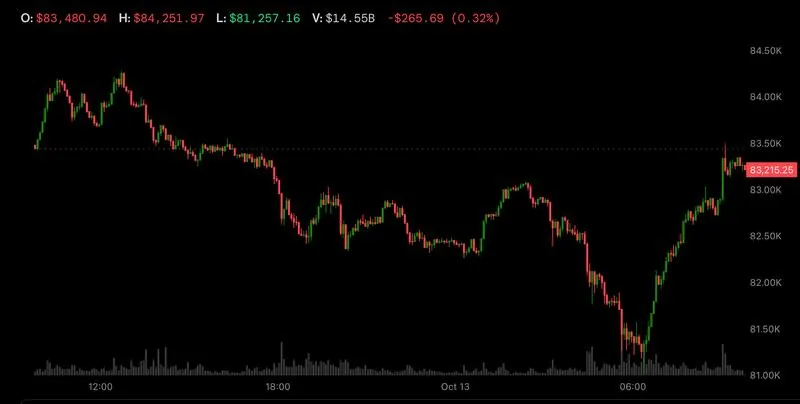
CryptoQuant flagged the movement as a notable signal, warning of selling pressure emanating from U.S. market participants. The timing coincides with elevated institutional trading activity and comes as bitcoin hovers near recent price levels. Whether the whale intends to liquidate the entire position, diversify holdings, or move funds for operational reasons remains unclear from on-chain data alone.
Whale Accumulation Through Volatility
The whale's resilience through the March 2020 downturn—one of crypto's most severe drawdowns—underscores the conviction of long-term holders who accumulated during panic selling. The fact that this position has remained dormant for six years suggests the holder was either a strategic accumulator or a lost/abandoned wallet until now.
Why It Matters
For Traders
Large whale transfers can signal imminent selling pressure; watch support levels and volume if the whale continues liquidating over the next 48-72 hours.
For Investors
Six-year holder breakage may indicate shifting conviction among early adopters, though isolated whale moves rarely determine longer-term direction.
For Builders
On-chain monitoring tools like CryptoQuant's whale alerts remain critical for tracking institutional sentiment; infrastructure for parsing intent from movement remains incomplete.
This article is for information only and is not financial advice. Read the full disclaimer.