Bitget to End Services for Users in Prohibited Jurisdictions
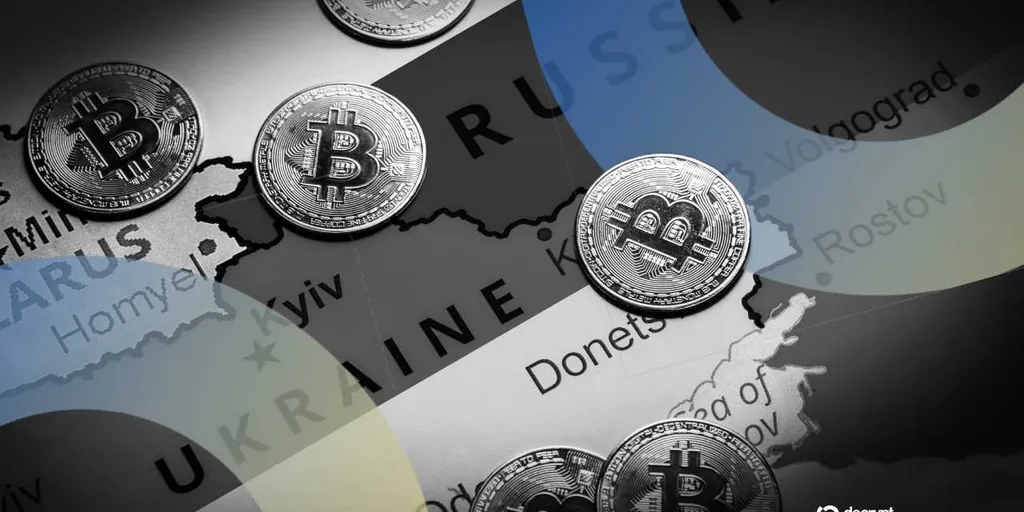
Bitget announced it will terminate services for users in Russia, Belarus, and Kazakhstan, citing those nations as prohibited jurisdictions in its terms of service. Affected users face account-specific deadlines, with at least one user reporting an October 21 cutoff date.
Written by CoinArticle’s AI Newsroom · from 2 cited sources. How we work
Jurisdictions and Deadlines
Bitget's terms of service list Russia, Belarus, and Kazakhstan as prohibited jurisdictions where the exchange will no longer operate. According to reports from affected users, the exchange has assigned account-specific deadlines for service termination rather than a single platform-wide date. One affected user reported receiving an October 21 deadline, though it remains unclear whether all users in those regions face identical or staggered timelines.
Regulatory and Compliance Context
The move reflects mounting pressure on cryptocurrency exchanges to enforce geographic compliance at the account level. Exchanges operating globally face conflicting regulatory demands: some jurisdictions require them to serve local users, while others impose sanctions or restrict crypto trading outright. By enforcing prohibited-jurisdiction language already embedded in its terms, Bitget is attempting to align its actual user base with its stated compliance scope, a step other major exchanges have taken in response to sanctions regimes and evolving local regulations.
Why It Matters
For Traders
Users in Russia, Belarus, or Kazakhstan with open positions at Bitget should withdraw funds or close positions before their account deadline to avoid forced liquidations or frozen assets.
For Investors
The enforcement of geographic restrictions mirrors broader compliance tightening across major CEXs and signals that sanctioned-jurisdiction exclusion is becoming a standard practice rather than a one-off event.
For Builders
Cross-border DeFi protocols may see increased inflow from CeFi users displaced by geographic restrictions, reshaping liquidity flows toward non-custodial alternatives in restricted regions.
This article is for information only and is not financial advice. Read the full disclaimer.