BitGo Faces $141M Lawsuit From DWF Labs-Linked Firms Over Token Lock-Up
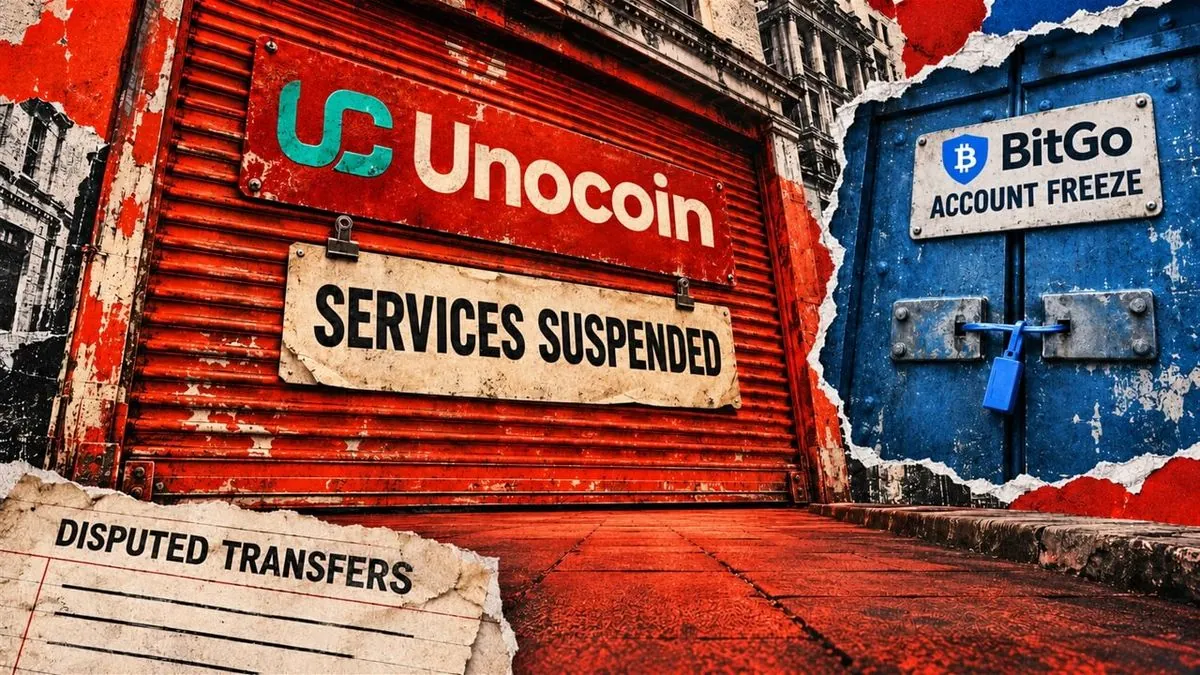
DWF Labs subsidiaries sued BitGo in London's High Court for $141 million, alleging the custody provider sold FF and ESPORTS tokens roughly two months before lock-up expiration. The plaintiffs claim the early sales caused direct losses as token prices fell following the unauthorized transfers.
Written by CoinArticle’s AI Newsroom · from 4 cited sources. How we work
Story Updates
- Updated Oct 10, 2026, 02:02 AM: Lawsuit filed in London's High Court; tokens sold at discount roughly two months before lock-up expiration.
- Updated Oct 9, 2026, 01:11 PM: DWF Labs quantified $114 million of the $141 million claim as losses tied to token price declines following alleged sales.
Allegations and Venue
DWF Labs-linked firms filed suit against BitGo in London's High Court alleging the custody provider sold FF (Falcon Finance) and ESPORTS tokens while they remained under lock-up agreements. According to the complaint, BitGo sold the tokens at a discount roughly two months before the lock-up period expired, a breach that the plaintiffs say caused direct financial losses tied to the subsequent price decline of both assets. The lawsuit seeks $141 million in damages, with DWF claiming $114 million of that total stems from losses incurred as the tokens' prices fell following the alleged unauthorized sales.
BitGo's Role and Custody Obligations
BitGo, which provides custody and financial infrastructure services to crypto firms, held the tokens in question. The dispute centers on whether BitGo honored the agreed-upon vesting schedule or allowed their sale ahead of lock-up expiration. BitGo's role as custodian meant it bore responsibility for enforcing the release schedule and preventing premature transfers. The case underscores the high stakes of custody arrangements in early-stage token distributions, where lock-up agreements are a core mechanism for controlling supply and maintaining price stability.
Structural and Precedential Risk
The lawsuit raises questions about BitGo's internal controls over restricted token transfers and the enforceability of lock-up schedules when assets are held in third-party custody. If the plaintiffs prevail, the precedent could prompt other token projects to reconsider reliance on custodial arrangements for lock-up enforcement, accelerating adoption of on-chain alternatives like time-locked smart contracts or multi-signature schemes that do not depend on a custodian's operational compliance.
Why It Matters
For Traders
Early lock-up enforcement failure could accelerate token release schedules in other projects and create near-term supply pressure on similarly-held assets.
For Investors
High-profile custody breach allegations raise counterparty risk across the ecosystem; token projects with custodial lock-ups face pressure to migrate to smart contract enforcement.
For Builders
Projects tokenizing with lock-ups should prioritize technical solutions like time-locked contracts over custodial arrangements; this case signals custodians face material liability for enforcement failures.
This article is for information only and is not financial advice. Read the full disclaimer.