Bitunix Launches Visa Debit Card with Yield Feature for Daily Spending
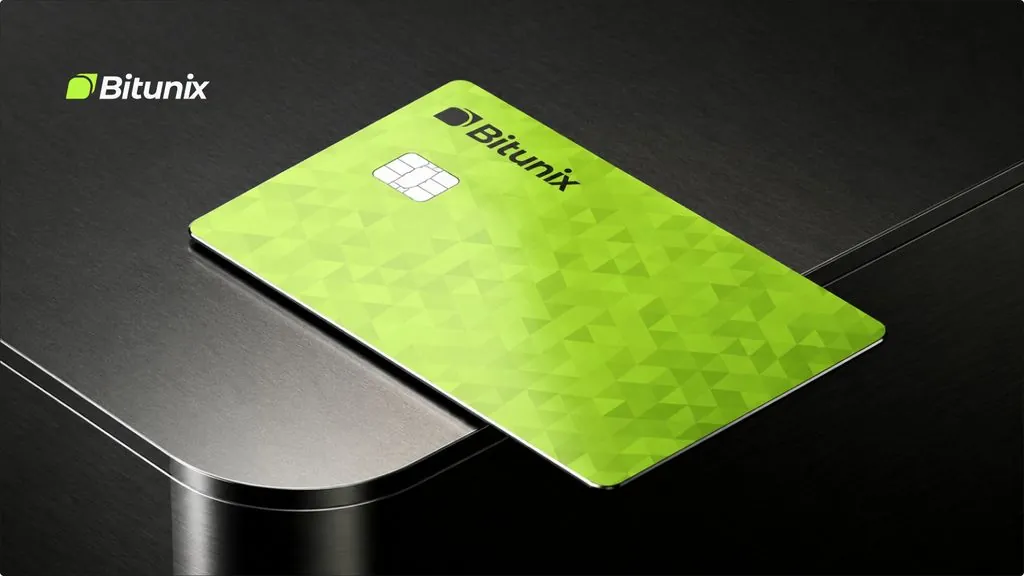
Bitunix exchange has launched the Bitunix Card, a Visa-powered debit card that allows users to spend cryptocurrency on everyday purchases while earning yield on idle balances. The product aims to reduce friction between crypto holdings and real-world spending without requiring users to move funds across multiple platforms.
Written by CoinArticle’s AI Newsroom · from 2 cited sources. How we work
New Product Details
Bitunix announced the launch of the Bitunix Card, a Visa-branded debit card that lets users convert and spend cryptocurrency directly on everyday purchases. The card integrates with the exchange's platform, allowing cardholders to access their balances without moving funds to external wallets or payment providers. The card also features a yield-generation component on idle balances, though specific terms—minimum balance thresholds, yield rates, or supported tokens—were not disclosed in the announcement.
Strategic Positioning
The launch reflects a shift toward on-ramp products that reduce friction between digital assets and real-world commerce. Bitunix frames the Bitunix Card as a solution for users who want to spend crypto without managing multiple platforms or incurring repeated transfer fees. The move follows a broader industry trend toward integrated payment solutions, though the market for crypto debit cards remains fragmented and competitive with varying regulatory approval timelines across jurisdictions.
Context
Bitunix is based in Kingstown, St. Vincent and the Grenadines. The exchange has not disclosed cardholder capacity targets, geographic availability, or specific supported cryptocurrencies for card transactions.
Why It Matters
For Traders
The yield feature may affect how active traders manage reserve balances, though specific rates and terms are not yet public.
For Investors
Integration of payment rails into exchange platforms signals continued normalization of crypto as a spending medium, though adoption rates remain uncertain.
For Builders
On-chain protocols may see reduced liquidity as more users hold balances in exchange-managed debit card products rather than self-custodied wallets.
This article is for information only and is not financial advice. Read the full disclaimer.