Brazilian Startup Tokenizes Dairy Cows as Collateral on B3 Exchange
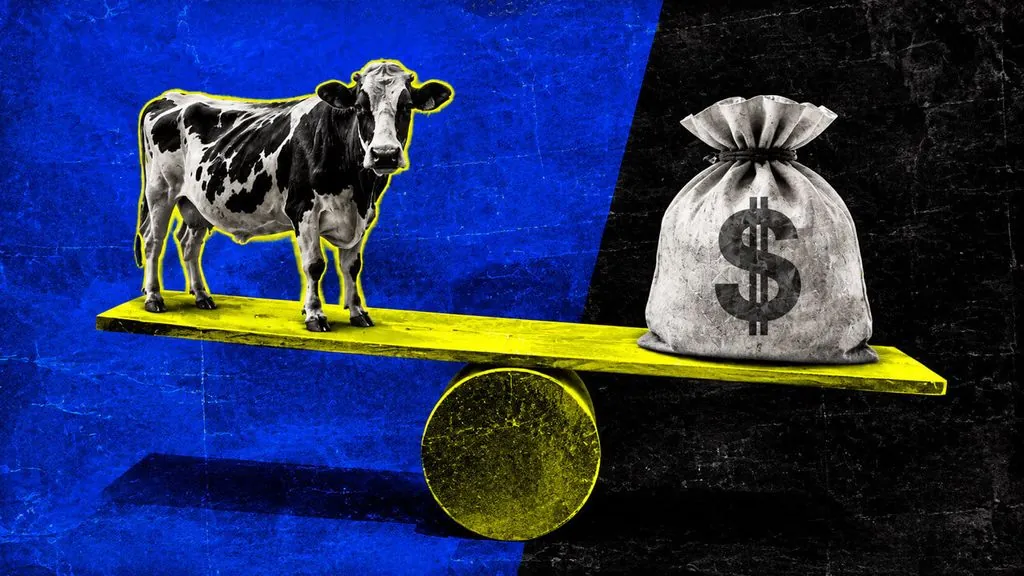
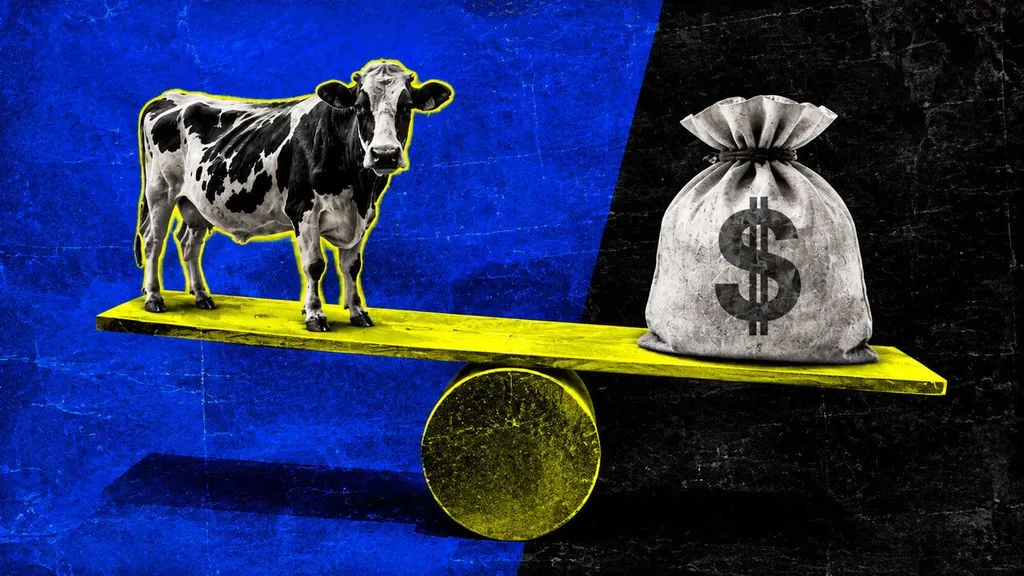
Cowmed, a Brazilian fintech startup, tokenized 10 dairy cows as collateral on the B3 exchange this week, securing nearly $20,000 in credit backed by encrypted health and location data from wearable sensors. The pilot aims to reduce lending haircuts and improve credit access for small-scale farmers by replacing subjective asset valuation with on-chain data.
Key Takeaways
- 1## Tokenizing Livestock as On-Chain Collateral Cowmed embedded encrypted identifiers into wearable collars on 10 dairy cows in Paraná, Brazil, converting real-time health, behavior, and location data into digital representations that were recorded on B3, the country's primary securities exchange.
- 2The tokenized cows secured approximately $20,000 in credit, marking what appears to be the first instance of livestock collateralization through on-chain identities in Brazil's formal financial system.
- 3The system stores continuous biometric and location signals from each animal, creating an immutable record that lenders can reference to assess collateral quality without physical inspection.
- 4Cowmed's approach targets the subjective valuation practices that traditionally inflate lending haircuts—the discount lenders apply to collateral to hedge against depreciation or fraud.
- 5## Addressing a Structural Credit Gap Small-scale farmers in Brazil and globally face constrained access to formal credit partly because lenders lack reliable ways to verify livestock condition and ownership.
Tokenizing Livestock as On-Chain Collateral
Cowmed embedded encrypted identifiers into wearable collars on 10 dairy cows in Paraná, Brazil, converting real-time health, behavior, and location data into digital representations that were recorded on B3, the country's primary securities exchange. The tokenized cows secured approximately $20,000 in credit, marking what appears to be the first instance of livestock collateralization through on-chain identities in Brazil's formal financial system.
The system stores continuous biometric and location signals from each animal, creating an immutable record that lenders can reference to assess collateral quality without physical inspection. Cowmed's approach targets the subjective valuation practices that traditionally inflate lending haircuts—the discount lenders apply to collateral to hedge against depreciation or fraud.
Addressing a Structural Credit Gap
Small-scale farmers in Brazil and globally face constrained access to formal credit partly because lenders lack reliable ways to verify livestock condition and ownership. By anchoring collateral quality to verifiable on-chain data, Cowmed reduces information asymmetry between borrower and lender. The startup frames this pilot as a proof of concept for addressing what it calls an $8 trillion global finance gap—the difference between available credit and actual demand in emerging markets.
B3's participation suggests institutional recognition of tokenized collateral as a viable risk-mitigation tool. Whether the model scales depends on whether lenders across Brazil's agricultural sector adopt similar data standards and whether regulatory clarity around on-chain collateral valuations develops further.
Why It Matters
For Traders
Tokenized collateral markets remain highly illiquid and early-stage; this pilot has no immediate impact on cryptocurrency or DeFi trading volumes.
For Investors
If replicable, on-chain collateral vaults could unlock trillions in underutilized emerging-market assets, but regulatory and adoption hurdles remain steep.
For Builders
The Cowmed model demonstrates demand for oracle-backed collateral registries; protocol teams can explore standardized frameworks for livestock and commodity tokenization.