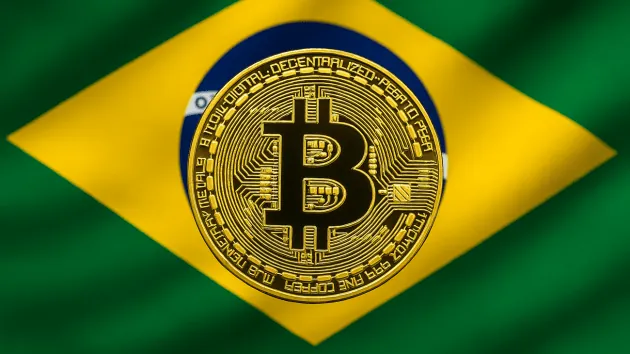
Brazil's World Cup Run Highlights Crypto and Sports Betting Collision
Brazil's performance in the World Cup has drawn attention to the overlap between cryptocurrency platforms and sports betting markets, raising questions about regulatory oversight. The convergence is prompting discussions about how financial rules will govern fan engagement across both sectors globally.
Written by CoinArticle’s AI Newsroom · from 1 cited source. How we work
The Intersection at Play
Brazil's World Cup campaign has become a focal point for examining how cryptocurrency and sports betting markets operate in parallel, often with overlapping user bases and similar tokenomics incentives. Betting platforms accepting crypto payments and crypto-native sports betting applications have proliferated in emerging markets, creating a regulatory gap that national authorities are beginning to scrutinize.
Regulatory Questions Emerging
The dual exposure raises compliance challenges for jurisdictions that have regulated sports betting separately from cryptocurrency. Brazil's financial regulators, along with counterparts in other major markets, now face questions about how existing frameworks apply when a single transaction involves both a crypto transfer and a wager on a sporting event. The lack of harmonized rules across jurisdictions creates arbitrage opportunities for platforms that serve multiple regions from loosely regulated locations.
Global Implications
How regulators respond to this convergence in the coming months will likely shape whether crypto-native sports betting remains fragmented and offshore-heavy, or becomes integrated into regulated gaming ecosystems worldwide. Fan engagement models tied to tokenized betting incentives—common in emerging markets—may face restriction or require licensing depending on how authorities categorize and police them.
Why It Matters
For Traders
Regulatory clarity on crypto-sports-betting overlap could unlock or restrict growth in a new asset class; watch for announcements from Brazil's central bank or financial regulator.
For Investors
The collision highlights structural demand for crypto payments in emerging-market betting, but regulatory risk remains the limiting factor for platform valuations and market size.
For Builders
Sports betting dApps and staking-tied prediction protocols may need to segregate betting mechanics from token incentives to comply with incoming regional frameworks.
This article is for information only and is not financial advice. Read the full disclaimer.