U.S. Sanctions Iran-Linked Bitcoin Insurance Scheme for Strait of Hormuz Shipping
The U.S. Treasury Department sanctioned the Hormuz Safe platform, which allegedly accepted bitcoin and other digital assets to insure shipping in Iran's controlled waters as a workaround for existing sanctions. The action follows prior Treasury moves to freeze Iranian digital assets.
Written by CoinArticle’s AI Newsroom · from 2 cited sources. How we work
Sanctions Targeting Digital Asset Workaround
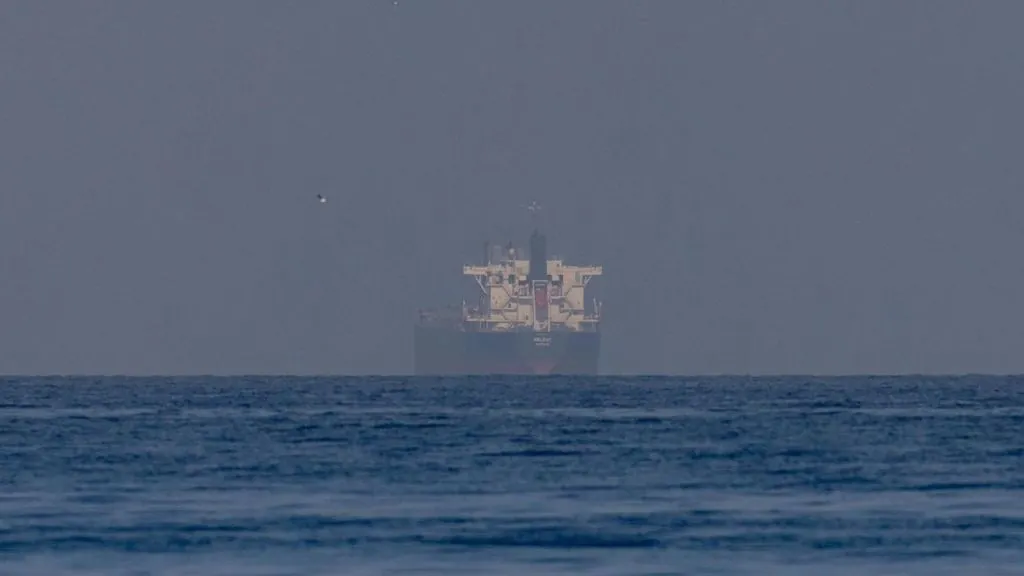
The U.S. Treasury Department designated Hormuz Safe, an insurance platform allegedly backed by Iran's Islamic Revolutionary Guard Corps, under sanctions authority targeting entities that facilitate prohibited transactions. According to Treasury filings, the platform accepted bitcoin and other digital assets to underwrite shipping insurance for vessels transiting the Strait of Hormuz, a critical chokepoint through which roughly one-third of global seaborne oil passes.
The structure appears designed to circumvent existing sanctions on Iranian financial institutions and IRGC-affiliated entities by routing payments through cryptocurrency rather than traditional banking channels. By accepting digital assets, the scheme made it harder for U.S. authorities to track and block transactions using conventional financial surveillance.
Broader Freeze on Iranian Crypto Holdings
The Hormuz Safe sanctions represent an escalation of Treasury efforts to restrict Iran's access to digital assets. Prior enforcement actions had already frozen Iranian-controlled cryptocurrency holdings and targeted exchanges and wallets suspected of holding Iranian funds. The new designation signals that Treasury is now moving beyond blocking existing digital asset accounts to sanctioning platforms that actively facilitate Iranian commerce using cryptocurrencies as payment infrastructure.
Why It Matters
For Traders
Regulatory enforcement targeting crypto-based sanctions evasion does not directly affect market prices but signals heightened scrutiny of Iranian wallet addresses and exchange inflows.
For Investors
The action reinforces that U.S. authorities treat cryptocurrency rails as a target for sanctions enforcement, raising compliance risk for exchanges and custodians operating in ambiguous jurisdictions.
For Builders
Infrastructure providers must implement increasingly granular sanctions screening, particularly for jurisdictions under comprehensive U.S. embargo, or face designations that freeze their operations.
This article is for information only and is not financial advice. Read the full disclaimer.