Community Bankers Sue OCC Over Crypto Trust Charter Rule
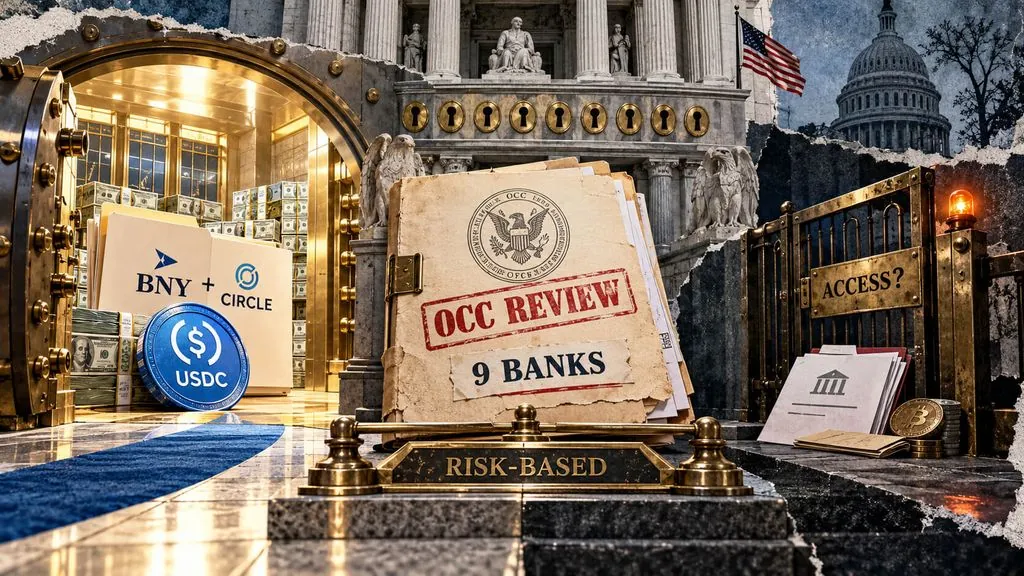
The Independent Community Bankers Association filed a lawsuit Tuesday challenging the OCC's authority to grant crypto trust charters, citing the Protego conditional approval as the immediate trigger. The case will test whether the agency can expand banking services to digital assets without new congressional authority.
Written by CoinArticle’s AI Newsroom · from 3 cited sources. How we work
Story Updates
- Updated Oct 4, 2026, 05:02 PM: Added Decrypt reporting confirming the ICBA's "side door into the banking system" characterization of the OCC's approach.
- Updated Oct 4, 2026, 05:02 PM: ICBA characterizes OCC's crypto trust charter approach as a "side door into the banking system" bypassing traditional safeguards.
The Lawsuit and Its Central Claim
The Independent Community Bankers Association (ICBA) sued the Office of the Comptroller of the Currency, challenging the agency's power to issue crypto trust charters under its existing regulatory framework. The complaint targets the OCC's conditional approval of Protego as a national trust bank and seeks to block the agency from issuing further charters under the disputed rule and guidance, according to reporting from Decrypt and The Defiant.
The ICBA characterizes the OCC's approach as a "side door into the banking system" that bypasses the safeguards and requirements binding traditional banks. Community bankers argue the agency overstepped its mandate by reinterpreting existing trust powers to cover cryptocurrency assets, which differ materially from traditional trust operations, and that the OCC lacks statutory authority to expand into digital asset custody without explicit congressional approval.
Regulatory and Market Implications
The dispute centers on how narrowly or broadly to read the OCC's existing charter authority. If the ICBA prevails, the agency would be blocked from issuing new crypto trust charters and may be forced to revoke Protego's conditional approval pending resolution. If the OCC wins, it signals the agency can continue expanding crypto banking services within its current statutory scope, potentially opening the door to faster integration of digital asset firms into the traditional banking system.
The outcome will reshape how crypto firms access banking infrastructure and whether consumer protections under the trust framework apply to digital assets. Community banks further argue that concentrating crypto services in federally chartered trust banks creates competitive pressure on regional institutions and concentrates systemic risk in fewer entities.
Why It Matters
For Traders
If the ICBA prevails, institutional crypto custody solutions could face delays, affecting liquidity and on-ramp availability in spot and derivatives markets.
For Investors
An OCC loss would restrict regulatory-backed banking infrastructure for crypto firms, potentially slowing institutional capital flows into digital assets.
For Builders
Prolonged litigation may force protocols and custodians to lean harder on private custody models and DeFi solutions if traditional banking access remains blocked.
This article is for information only and is not financial advice. Read the full disclaimer.