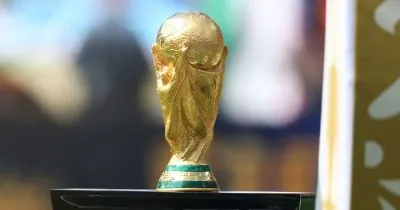
FIFA's World Cup Rights Sale Plan Stalls Amid Leadership Exodus and Federation Pushback
FIFA's strategy to monetize World Cup broadcasting rights through a new commercial model has encountered significant resistance as a key adviser departed and multiple national federations openly opposed the plan. The setback reflects deeper tensions over how sports governance bodies should balance revenue maximization with stakeholder interests.
Written by CoinArticle’s AI Newsroom · from 1 cited source. How we work
Plan Derailed by Internal and External Pressure
FIFA's World Cup commercialization initiative has encountered substantial obstacles, with a senior adviser resigning from the project and national soccer federations mobilizing opposition to the proposal. The exact structure of FIFA's planned rights sale remains unclear from available reports, but the backlash suggests the organization underestimated federation resistance to changes in how broadcasting revenue would be distributed or managed.
Governance Tensions Surface
The dispute highlights an ongoing fault line in sports administration: whether centralized bodies like FIFA should maximize commercial returns or prioritize equitable distribution to member organizations. National federations have signaled they view FIFA's approach as too aggressive, raising concerns about their own financial stakes in World Cup revenues. The adviser's departure indicates internal disagreement within FIFA leadership itself over the strategy's viability.
Broader Implications for Sports Governance
The failed initiative may set a precedent for how much autonomy FIFA retains over future commercial decisions. If federations continue to resist centralized monetization efforts, FIFA may need to build broader consensus before pursuing similar revenue models. The episode also underscores shifting power dynamics in global sports, where member organizations now possess sufficient leverage to block initiatives they view as unfavorable.
Why It Matters
For Traders
This governance failure has no direct bearing on crypto or digital asset trading in the near term.
For Investors
Institutional interest in tokenizing sports rights hinges partly on governance stability; FIFA's internal discord signals execution risk for any blockchain-based sports finance ventures.
For Builders
Sports-focused dApp teams should note that legacy sports bodies face internal resistance to novel commercialization models, raising barriers for crypto infrastructure adoption in this vertical.
This article is for information only and is not financial advice. Read the full disclaimer.