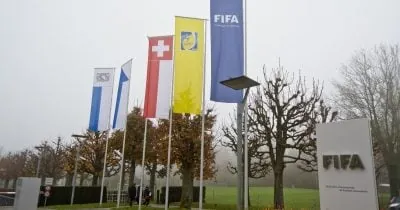
Council of Europe Accuses FIFA of Enabling Fraud Ahead of 2026 World Cup
The Council of Europe has accused FIFA of enabling fraud and political interference in advance of the 2026 World Cup, prompting renewed scrutiny of governance structures in major sports organizations. The charges echo broader debates about transparency and accountability in large institutions.
Written by CoinArticle’s AI Newsroom · from 1 cited source. How we work
The Accusation
The Council of Europe leveled formal charges against FIFA alleging the organization enabled fraud and political interference ahead of the 2026 FIFA World Cup, scheduled to be co-hosted by the United States, Mexico, and Canada. The accusation centers on governance failures that the Council said permitted misconduct within the organization's decision-making processes.
Governance and Institutional Parallels
The case underscores persistent vulnerabilities in how large institutions—whether sports bodies, financial regulators, or decentralized networks—balance centralized authority with transparent oversight. FIFA's governance structure, which concentrates significant power within an executive committee, has long drawn criticism from transparency advocates. The Council of Europe's findings suggest that formal rules and accountability mechanisms can be circumvented without robust independent auditing and public disclosure requirements.
Relevance to Crypto Governance
The FIFA governance failure is relevant to crypto protocol and exchange governance discussions. Both domains grapple with how to prevent bad actors from exploiting institutional structures, how to enforce rules across jurisdictions, and how to maintain legitimacy when centralized bodies make unilateral decisions. Protocols and exchanges that rely on opaque governance or weak checks on leadership authority face similar reputational and operational risks.
Why It Matters
For Traders
No direct market impact on crypto assets; institutional governance failures in sports do not move trading pairs.
For Investors
Governance breakdowns in non-crypto institutions reinforce the case for transparent, rule-bound oversight in crypto protocols and centralized platforms.
For Builders
Protocol architects can learn from FIFA's failures: weak checks on centralized authority, poor disclosure mechanisms, and lack of independent auditing erode trust faster than technical flaws.
This article is for information only and is not financial advice. Read the full disclaimer.