Oil Tanker Collision in Red Sea Raises Shipping Route Concerns
An unidentified object collided with an oil tanker in the Red Sea; the vessel remained safe and operational. The incident underscores ongoing maritime security risks that could disrupt regional shipping and affect energy markets.
Written by CoinArticle’s AI Newsroom · from 1 cited source. How we work
Incident Details
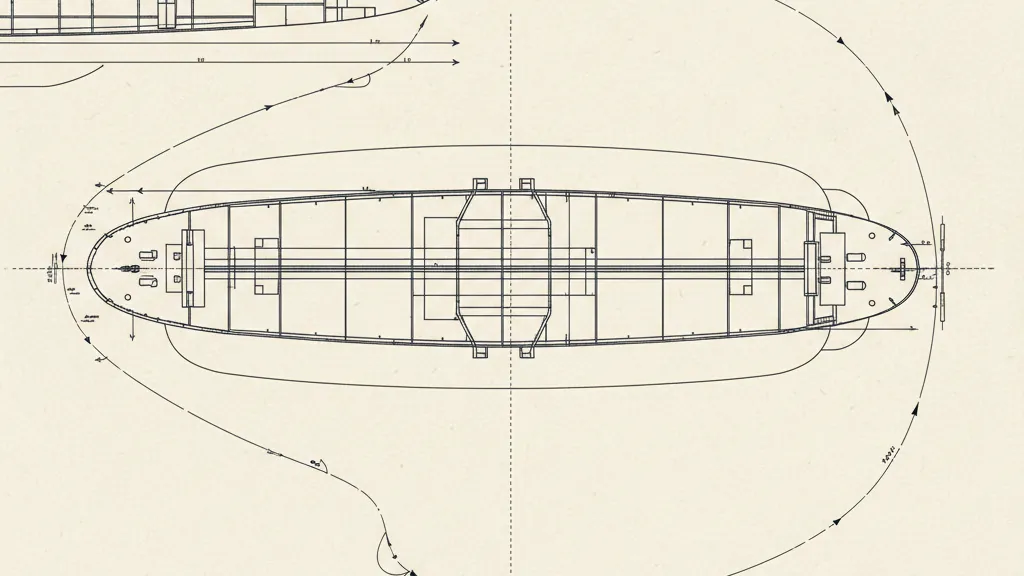
An unidentified object struck an oil tanker transiting the Red Sea. The vessel sustained the collision but remained seaworthy and continued operations without reported cargo loss or environmental damage. Authorities did not immediately disclose the nature of the object or circumstantial details of the encounter.
Broader Maritime Context
The Red Sea continues to experience periodic incidents that disrupt or threaten shipping lanes critical to global energy and trade flows. Maritime security concerns in the region have prompted some operators to reroute vessels around the Cape of Good Hope, a longer and costlier passage. Such disruptions can affect oil prices and shipping costs, with downstream effects on inflation and supply chain timing.
Market Implications
While this specific incident caused no reported damage, the pattern of maritime incidents in contested or unstable waters reinforces geopolitical risk premiums embedded in energy and shipping futures. Insurers and logistics firms continue to factor elevated costs into regional transit planning.
Why It Matters
For Traders
Energy and shipping futures may see volatility if Red Sea incidents persist; monitor crude and freight indices for risk repricing.
For Investors
Persistent maritime disruption raises long-term geopolitical risk premiums on energy and supply chain assets exposed to regional routes.
For Builders
Cross-border payment and stablecoin infrastructure reliant on traditional shipping timelines may face latency or cost pressures if route disruptions widen.
This article is for information only and is not financial advice. Read the full disclaimer.