Brazilian Dairy Farmers Tokenize Cows to Bypass Bank Lending Limits
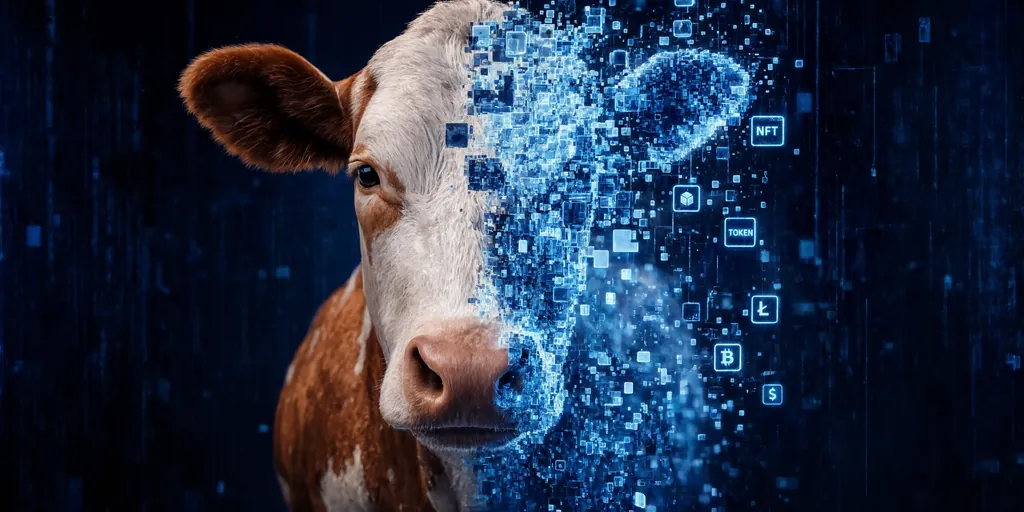
Brazilian dairy farmers have completed the first tokenized livestock deal on Brazil's stock exchange, using smart collars to monitor herd health and secure loans outside traditional banking channels. The structure addresses credit constraints in the agricultural sector by allowing lenders to track collateral in real time.
Written by CoinArticle’s AI Newsroom · from 2 cited sources. How we work
Tokenized Livestock as Collateral
Brazilian dairy farmers have executed the first tokenized livestock transaction on Brazil's stock exchange, converting cattle into digital assets to secure farm loans. Smart collars attached to the animals monitor herd health in real time, allowing lenders to track the condition and value of collateral without relying on periodic inspections or traditional bank appraisals. The on-chain monitoring system is designed to reduce fraud risk and enable lenders to move capital more quickly than conventional agricultural lending would permit.
Addressing a Credit Crisis
The structure offers an alternative funding source as Brazil's agricultural sector faces tightening credit access. Traditional banks have tightened lending to farmers, and tokenization allows local agricultural businesses to secure thousands of dollars in funding by pledging livestock directly. By bypassing conventional bank lending limits and intermediaries, farmers can tap capital markets more efficiently. The transaction signals that agricultural finance—historically dependent on land-based collateral and relationship banking—can be redesigned using real-time asset monitoring and distributed ledgers.
Broader Implications
The deal represents an early test case for using blockchain and IoT hardware to unlock liquidity in agriculture, a sector where credit constraints have long limited expansion and investment. If the model proves repeatable, similar structures could extend to other livestock or commodity-backed lending across emerging markets where traditional financial infrastructure is either unavailable or prohibitively expensive for smallholder producers.
Why It Matters
For Traders
Agricultural tokenization could create new on-chain collateral markets, though adoption depends on regulatory approval and lender confidence in livestock-backed instruments.
For Investors
Emerging-market agricultural finance represents an addressable market for blockchain infrastructure if tokenization can reliably reduce credit risk and enable institutional capital deployment.
For Builders
Real-time asset monitoring via IoT and oracle integration creates demand for specialized financial smart contracts and collateral management platforms in commodity-backed lending.
This article is for information only and is not financial advice. Read the full disclaimer.