Cardano Hands Core Development to Outside Teams in Decentralization Push
Input Output is transferring control of Cardano's core infrastructure—including the Haskell node, Plutus smart contract platform, and Hydra scaling layer—to independent development teams. Founder Charles Hoskinson said the move is necessary for the network to resume growth, and ADA rose on the announcement.
Written by CoinArticle’s AI Newsroom · from 2 cited sources. How we work
Cardano Transfers Development Control
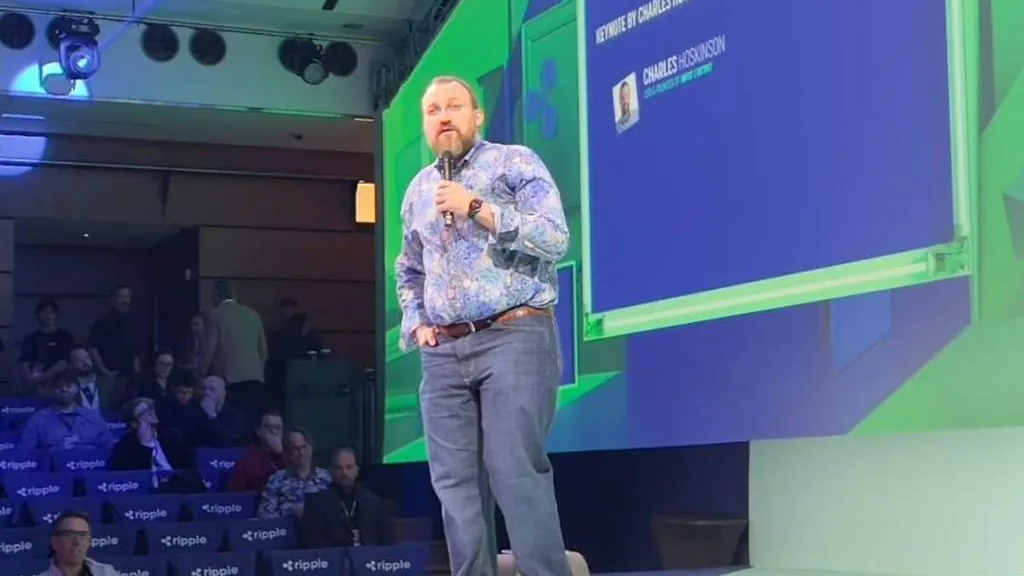
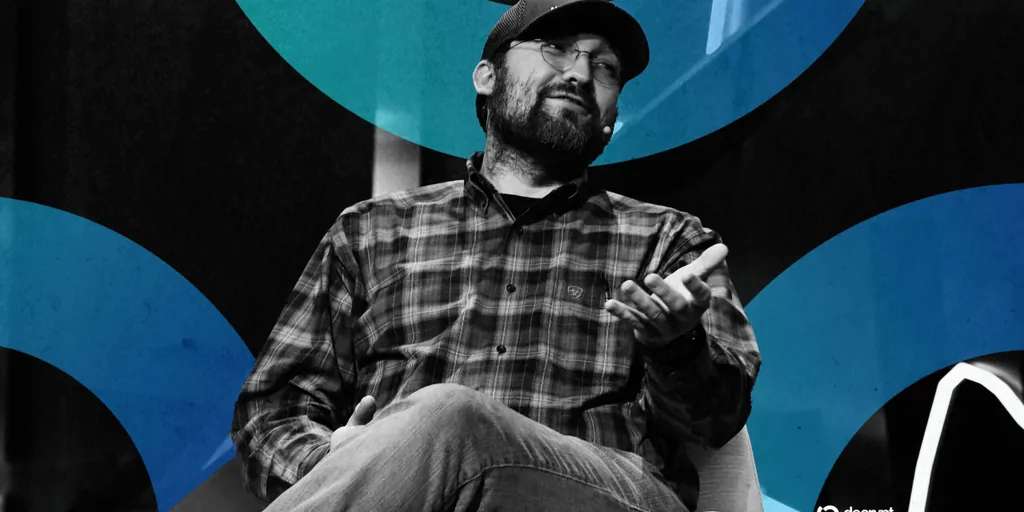
Input Output, the primary organization behind Cardano, announced it will hand over stewardship of core infrastructure components to outside teams. The handoff includes the Haskell node, Plutus, Hydra, and other foundational systems. According to founder Charles Hoskinson, the move reflects a strategic pivot: the network "must change and start growing again," signaling that centralized development has become a constraint on the protocol's evolution.
Market and Structural Implications
ADA rose on the news, though neither source specified the magnitude or timeframe of the price move. The decentralization of development governance mirrors patterns seen in other Layer 1 protocols, where moving away from a single steward team can accelerate innovation but also fragments coordination. Input Output's decision to release these systems suggests confidence that the ecosystem has matured enough to support distributed maintenance and upgrade processes.
What Remains Unclear
Neither source detailed the timeline for the full transition, the selection process for receiving teams, or how protocol governance will change after the handoff. The announcement appears to be a directional commitment rather than a detailed plan, leaving open questions about how critical security decisions—such as emergency patches to the node—will be made across multiple independent teams.
Why It Matters
For Traders
ADA posted gains on the announcement; monitor whether the price sustains if the transition timeline proves longer than market expectations.
For Investors
Decentralized development governance can reduce single-point-of-failure risk but may slow consensus on critical upgrades, affecting long-term protocol velocity.
For Builders
Dapp developers should track which independent teams inherit each component and establish new communication channels for feature requests and compatibility concerns.
This article is for information only and is not financial advice. Read the full disclaimer.