Cardano Founder Says Quantum Computing Poses Existential Risk to Bitcoin
Charles Hoskinson argues that Bitcoin's lack of on-chain governance could prevent a timely quantum-safe upgrade, potentially allowing a more agile competitor to displace it. Cardano is positioning itself as better equipped to handle cryptographic migration.
Written by CoinArticle’s AI Newsroom · from 1 cited source. How we work
Hoskinson's Quantum Governance Argument
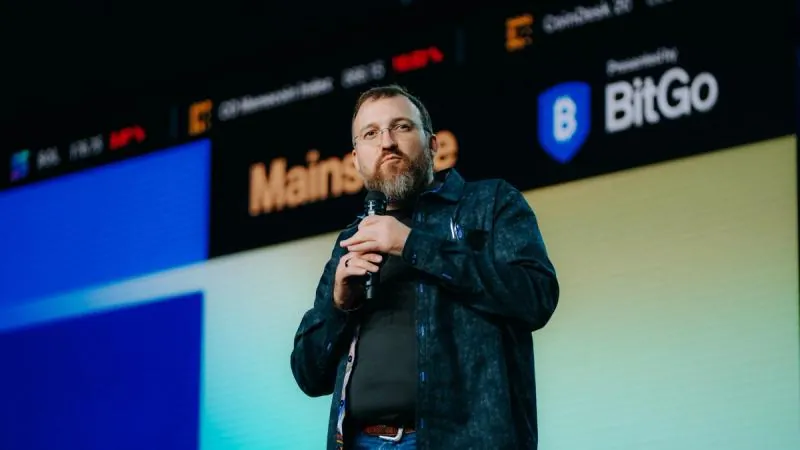
Charles Hoskinson, founder of Cardano, said Bitcoin's inability to coordinate upgrades through on-chain governance leaves it vulnerable to quantum computing threats. In his view, Bitcoin's decentralized decision-making structure—while a strength for censorship resistance—creates a coordination problem when urgent, network-wide changes are needed. Hoskinson suggested that if quantum computers capable of breaking ECDSA cryptography emerge, Bitcoin could face obsolescence if the network cannot rapidly deploy a quantum-resistant signature scheme.
Cardano's Proposed Response
Hoskinson positioned Cardano as better equipped to navigate such a transition, citing its on-chain governance model and active developer community. Cardano's on-chain voting system allows token holders to ratify protocol changes without requiring consensus among dispersed mining pools or node operators. Hoskinson implied that this mechanism could allow Cardano to move faster than Bitcoin if a quantum threat materializes, potentially allowing it to ascend in market ranking if Bitcoin is forced to fork or delay a critical upgrade.
Context on Quantum Risk
The timeline for cryptographically relevant quantum computers remains uncertain, with most security researchers estimating several years to decades before such machines pose a practical threat to Bitcoin's ECDSA keys. However, Bitcoin developers have previously discussed migration paths to quantum-resistant algorithms. The broader crypto industry has begun exploring post-quantum cryptography, though standardized quantum-safe alternatives have not yet been integrated into major blockchain protocols at scale.
Why It Matters
For Traders
Quantum threat discussions do not meaningfully affect Bitcoin or Cardano's near-term price action; the timeline remains speculative and years away.
For Investors
This highlights structural differences in governance speed between Bitcoin and competing Layer 1s, relevant only if quantum threats materialize within a decade.
For Builders
Protocol teams should begin evaluating post-quantum signature schemes now, though standardized implementations across major blockchains remain unavailable.
This article is for information only and is not financial advice. Read the full disclaimer.