Cardano Enables Token Issuers to Freeze and Seize Assets via CIP-0113
Cardano activated CIP-0113 on mainnet, allowing token issuers to embed freeze, seizure, and transfer-restriction controls directly into assets. The standard targets regulated stablecoins, funds, and bonds that require KYC, sanctions screening, and other compliance rules at the protocol level.
Written by CoinArticle’s AI Newsroom · from 2 cited sources. How we work
New Controls for Regulated Issuers
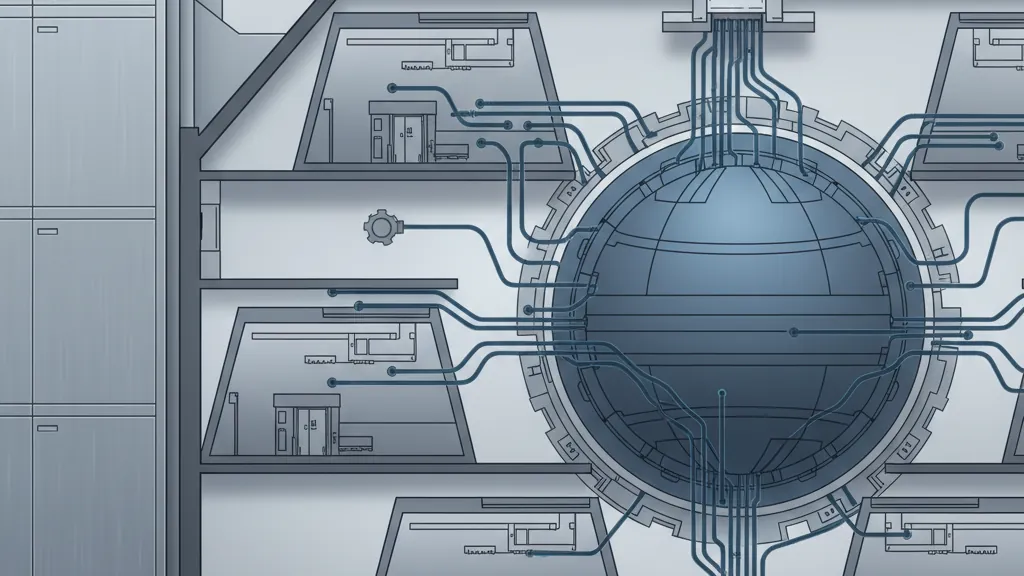
Cardano has activated CIP-0113 on mainnet, a new standard that grants token issuers explicit power to freeze, seize, and restrict transfers of assets issued on the network. The upgrade allows issuers to embed identity verification, sanctions screening, transfer limits, and asset seizure mechanisms directly into token smart contracts, moving compliance enforcement from external systems into the ledger itself.
Intended Use Cases
The standard is designed for regulated stablecoins, tokenized funds, and on-chain bonds whose issuers face regulatory obligations to verify counterparties and screen against sanctions lists. By encoding these controls into the token, issuers can ensure that KYC and sanctions checks are enforced at settlement time rather than relying on custodians or exchanges to police transfers after issuance. This architecture is intended to reduce friction for regulated institutions considering blockchain-based settlement.
Regulatory Alignment Trade-offs
The addition of freeze and seizure capabilities represents a departure from the immutability model often associated with blockchain assets, but aligns Cardano with how traditional securities and regulatory stablecoins already function in legacy finance. Whether other Layer 1 networks adopt similar standards, and how users weigh compliance guarantees against custody and censorship risks, remains unresolved in the broader ecosystem.
Why It Matters
For Traders
Assets built on CIP-0113 carry explicit counterparty and regulatory risk; positions may be frozen or seized by issuers, adding a layer of risk distinct from smart contract or exchange default.
For Investors
The standard signals Cardano's pivot toward institutional and regulated asset issuance; it could expand Cardano's addressable market in tokenized securities and compliant stablecoins.
For Builders
Developers building regulated stablecoin or securities platforms can now use Cardano's native freeze and seizure primitives, reducing the need to wrap assets or use external custody for compliance enforcement.
This article is for information only and is not financial advice. Read the full disclaimer.