CFTC Chair Warns Financial Markets Face Decade of Mass Tokenization
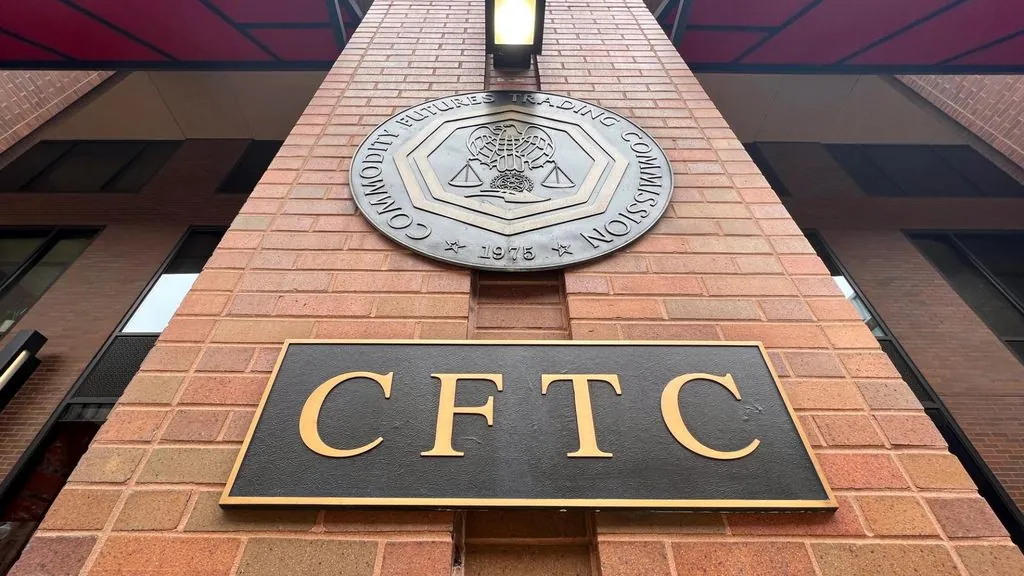
CFTC Chair Michael Selig said the agency is preparing for mass tokenization across all asset classes over the next decade. The regulator is adapting existing rules to account for blockchain technology, artificial intelligence, and on-chain finance.
Written by CoinArticle’s AI Newsroom · from 2 cited sources. How we work
CFTC's Tokenization Timeline
CFTC Chair Michael Selig warned that financial markets will undergo mass tokenization over the coming decade, prompting the agency to begin reshaping its regulatory framework accordingly. Selig characterized tokenization as a structural shift that could eventually span all asset classes, not just cryptocurrencies and digital assets currently within the CFTC's traditional purview.
Regulatory Adaptation Underway
The CFTC is actively updating its existing rules to accommodate blockchain infrastructure, artificial intelligence, and on-chain finance. The agency's focus suggests a recognition that current regulations—built for centralized exchanges and traditional settlement—may not adequately address a market where assets are issued, traded, and settled as tokens on distributed ledgers. Selig's framing implies the CFTC expects this shift to be inevitable rather than speculative.
Broader Market Implications
The tokenization wave could materially alter how commodities, equities, and derivatives are structured and transferred. By signaling early that regulatory adaptation is underway, the CFTC may be attempting to shape industry standards before market participants outpace the rule-making process. The agency's early public messaging also suggests awareness that competing jurisdictions are simultaneously preparing their own frameworks.
Why It Matters
For Traders
Regulatory clarity on tokenized assets within existing CFTC rules could expand accessible on-chain markets and reduce settlement friction, changing how commodity and derivative positions are structured.
For Investors
CFTC's proactive stance on tokenization framework signals institutional acceptance of blockchain infrastructure; this de-risks long-term adoption bets and may precede broader institutional capital flows.
For Builders
Protocol designers and infrastructure teams should anticipate CFTC guidance on smart contract standards, settlement finality, and oracle design as the agency adapts commodities regulations for on-chain markets.
This article is for information only and is not financial advice. Read the full disclaimer.