China Calls for National Blockchain Network in Technology Push
China's government issued a policy document outlining 19 measures to advance technology-led industries, including a call for a national blockchain network and integrated computing power network. The initiative reflects Beijing's emphasis on state control of digital infrastructure and could influence international regulatory approaches to blockchain.
Written by CoinArticle’s AI Newsroom · from 2 cited sources. How we work
Policy Directive and Scope
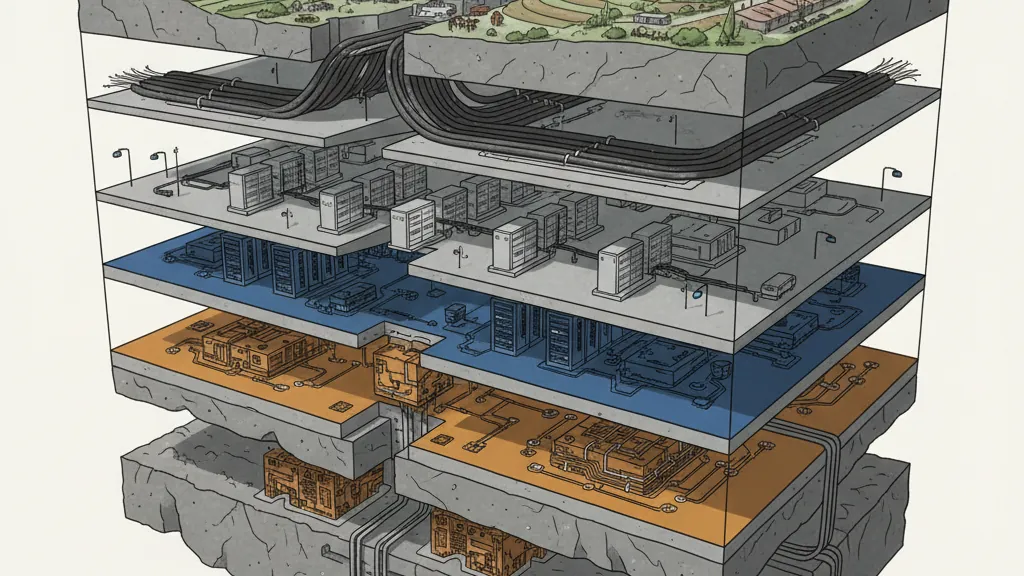
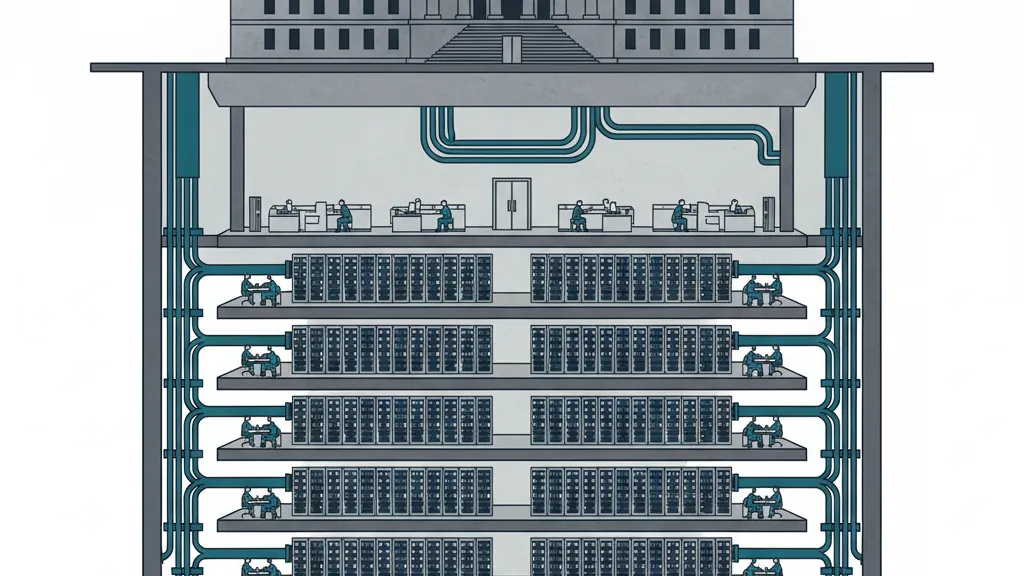
China's government, through Xinhua News Agency, published an opinion document containing 19 policy measures aimed at developing technology-led industries and connecting the digital economy to real-world production. Among the measures are calls for establishing a national blockchain network and an integrated computing power network, signaling China's intent to consolidate blockchain infrastructure under state oversight.
Strategic Intent and Global Implications
The initiative reflects China's broader strategy to maintain state control over critical digital infrastructure. By centralizing blockchain deployment at the national level, Beijing aims to integrate digital systems with physical production and economic activity. Analysts note the directive could redefine global data markets by establishing a model that prioritizes government oversight, potentially influencing how other nations approach blockchain regulation and data sovereignty frameworks.
Why It Matters
For Traders
State-controlled blockchain infrastructure in China could fragment global markets and create regulatory arbitrage opportunities for decentralized platforms operating outside Beijing's jurisdiction.
For Investors
China's national blockchain push signals long-term strategic commitment to digital infrastructure; investors should monitor whether this model becomes a template for other major economies seeking data control.
For Builders
Developers targeting Chinese markets face potential requirements to integrate with state-managed blockchain layers; builders in other regions may see regulatory pressure to adopt similar oversight models.
This article is for information only and is not financial advice. Read the full disclaimer.