CLARITY Act Faces Senate Test on September 15, Grayscale Flags Low 2026 Passage Odds
The Senate will hold a procedural vote on the CLARITY Act on September 15 after returning from recess, testing support for legislation that would establish federal crypto regulatory framework. Grayscale said in a recent filing that passage by 2026 appears unlikely despite industry backing.
Written by CoinArticle’s AI Newsroom · from 1 cited source. How we work
Senate Procedural Vote Scheduled
The Senate is slated to hold a procedural vote on the CLARITY Act on September 15, according to a schedule set before the chamber's August recess. A procedural vote, typically held to move debate forward, does not constitute a final passage vote but serves as an early signal of legislative momentum. The act has drawn broad support from cryptocurrency firms and trade groups seeking clearer federal regulatory authority over digital assets.
Grayscale's Legislative Outlook
Grayscale Investments said in recent comments that it sees CLARITY Act passage by 2026 as unlikely, citing the compressed legislative calendar and competing priorities in an election year. The asset manager has been an active advocate for crypto regulation and has supported the bill's core aims, but acknowledged the political headwinds facing any crypto-specific legislation moving through Congress.
What the CLARITY Act Proposes
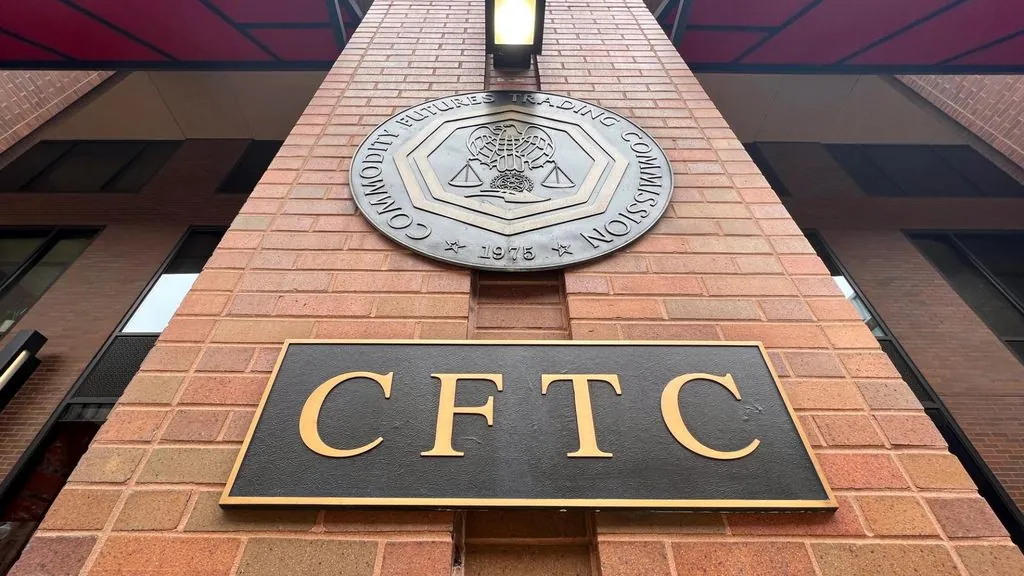
The CLARITY Act seeks to establish clearer jurisdictional lines between the SEC, CFTC, and other regulators, with the aim of reducing regulatory uncertainty for cryptocurrency projects and businesses. Industry groups have framed the bill as addressing a gap in federal oversight that has left many tokens and trading platforms in ambiguous legal territory.
Why It Matters
For Traders
Legislative uncertainty persists; a failed or delayed CLARITY Act vote could prolong regulatory ambiguity affecting token classification and exchange compliance.
For Investors
Slower-than-hoped federal clarity may extend the patchwork state-by-state regulatory approach, affecting long-term institutional adoption timelines.
For Builders
Protocol teams and exchanges relying on clearer federal jurisdiction for product development should not assume 2026 passage and plan contingencies around existing state and agency guidance.
This article is for information only and is not financial advice. Read the full disclaimer.