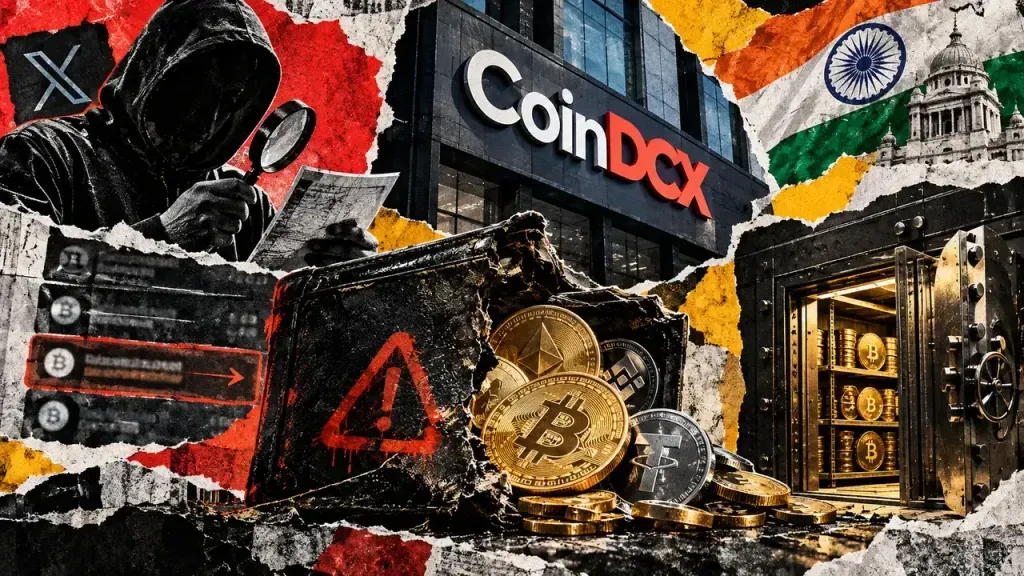
CoinDCX Confirms $16M Loss After Initially Denying Wallet Breach
India's largest crypto exchange CoinDCX initially denied a wallet breach after researchers flagged $16 million in suspicious outflows, but later admitted the loss was real and absorbed by the company. The exchange said customer funds remained unaffected.
Written by CoinArticle’s AI Newsroom · from 2 cited sources. How we work
Initial Denial, Then Admission
CoinDCX first denied that its active wallets had been hacked after on-chain sleuths flagged $16 million in suspicious outflows from addresses linked to the India-based exchange. Days later, the exchange reversed course and confirmed the loss had occurred, stating that the company absorbed the $16 million impact rather than customers.
Customer Funds Unaffected
The exchange emphasized that customer deposits and holdings were not touched by the outflow. CoinDCX did not immediately disclose the cause of the loss or provide details about how the funds were removed from its wallets. The timing of the public acknowledgment—coming after external researchers had already identified and publicized the suspicious transactions—raised questions about the exchange's initial communication.
Context
India's crypto ecosystem has faced repeated security incidents in recent years. CoinDCX's shift from denial to admission mirrors a pattern seen across some exchanges, where initial statements downplay or reject breach claims before on-chain evidence and internal review force a correction.
Why It Matters
For Traders
The incident highlights risks in holding assets on centralized exchanges, particularly those that initially deny security incidents; traders should monitor CoinDCX's operational updates.
For Investors
A $16 million loss and contradictory public statements raise concerns about CoinDCX's operational transparency and wallet security practices, material to platform reputation in a competitive market.
For Builders
The gap between on-chain evidence and exchange admissions underscores why self-custodial and decentralized infrastructure alternatives remain strategically important.
This article is for information only and is not financial advice. Read the full disclaimer.